Barrea: a guide to the village, the lake and the best hikes nearby

Perched at 1,066 m on a rocky spur, Barrea is one of those villages that seem made to amaze: beneath its tightly clustered houses lies the lake of the same name, with its calm waters, while all around rises a natural amphitheatre of mountains—among the most dramatic in the Abruzzo, Lazio and Molise National Park.

The view is striking right away, but it’s only once you step into the village that you truly grasp its character: a compact medieval layout, built for defence, with narrow alleys and walls—once accessible only through the two main gates.

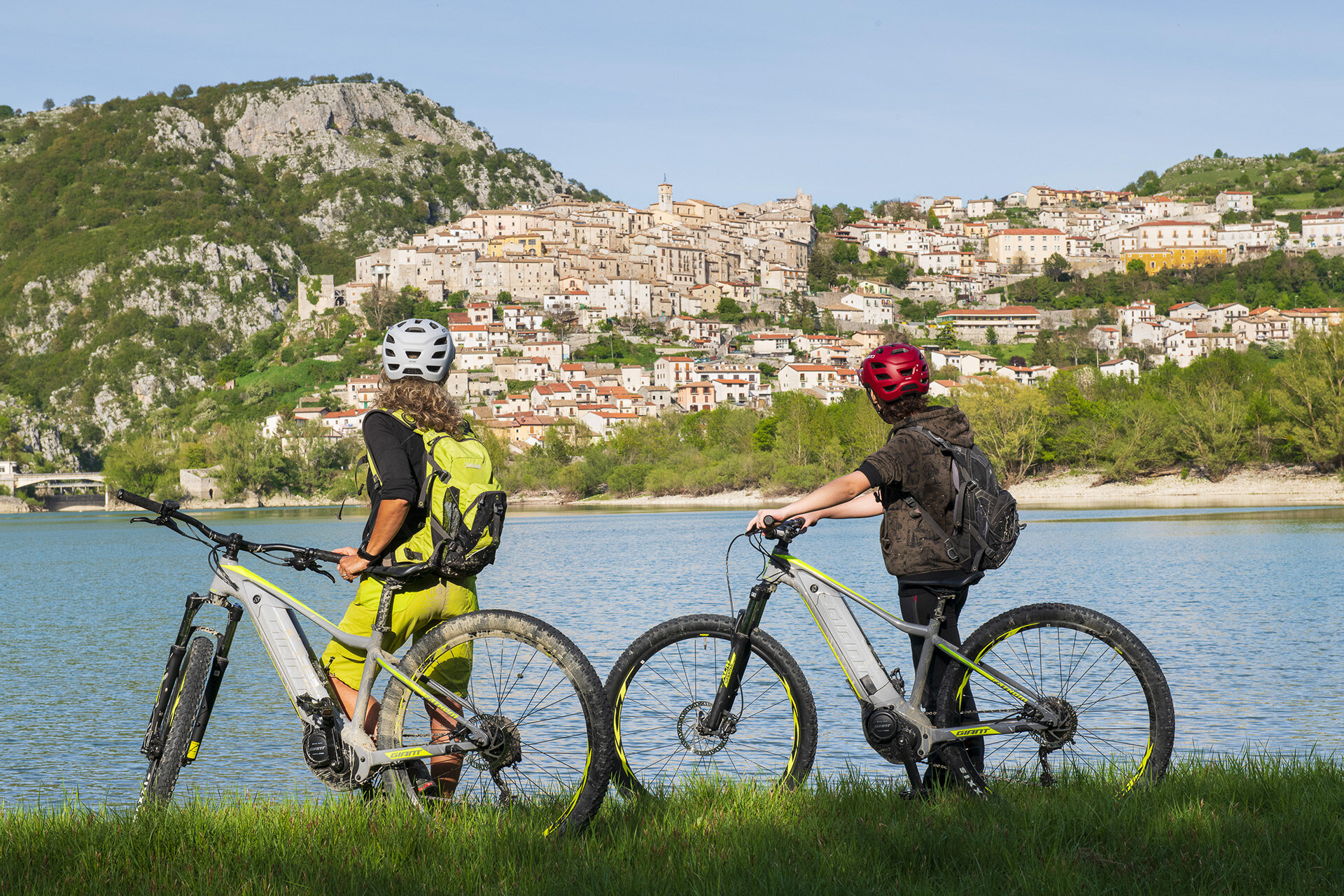
E-bike e natura in Abruzzo: sosta sul Lago di Barrea con vista sul centro storico del borgo. | © Umberto Esposito - Wildlife Adventures

But Barrea is not just beauty and memory: it’s also a perfect base for exploring the Abruzzo, Lazio and Molise National Park at a slow pace, alternating woodland walks with brighter, more open itineraries where the landscape becomes essential and rare plant species appear.

In this guide we’ll help you discover what to see in Barrea, how to enjoy it in every season, and the best hikes nearby—from lake viewpoints to trails that lead into the heart of the Park, among wilderness, silence, and possible encounters with the Apennines’ iconic wildlife.

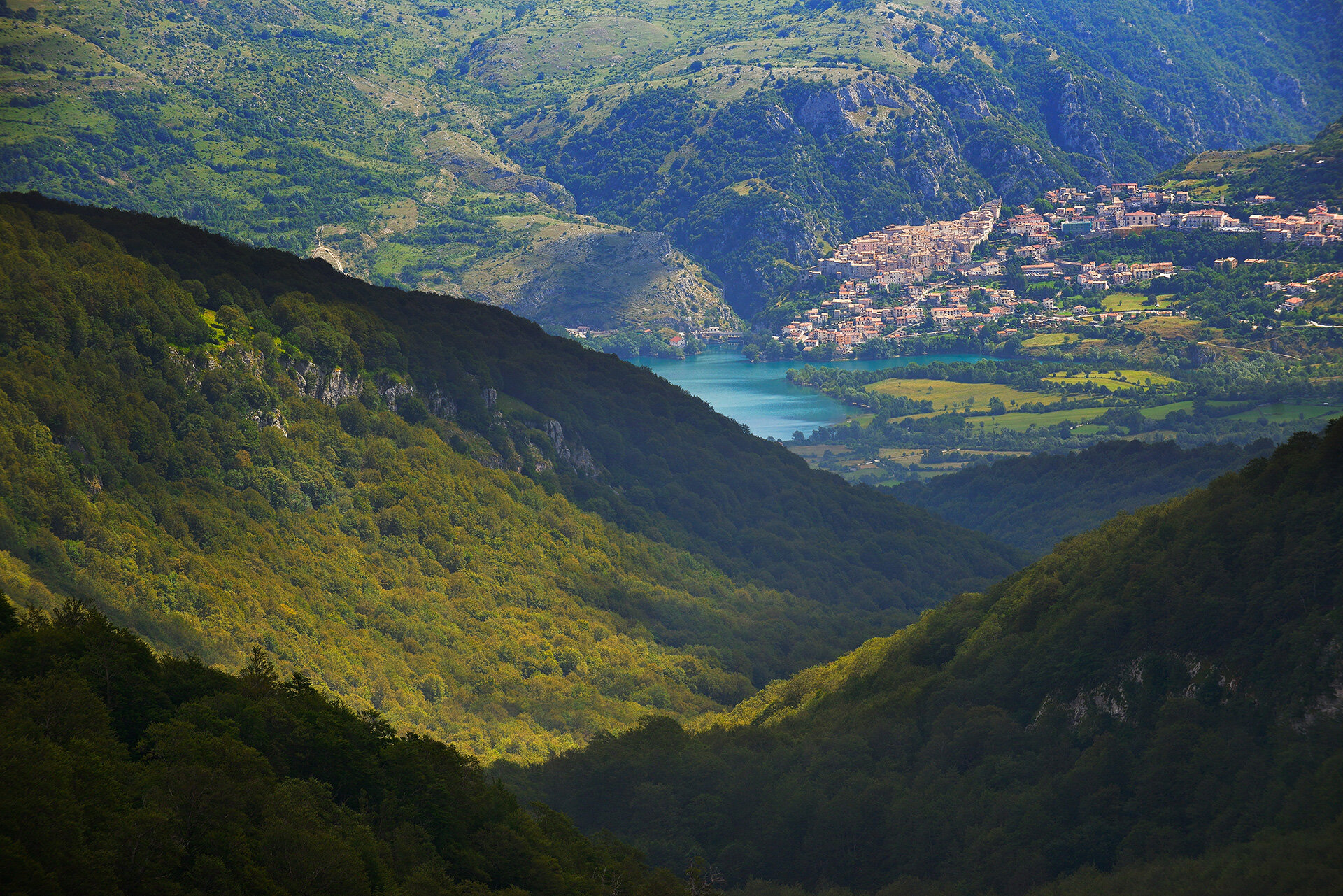
Dallo storico rifugio di Forca Resuni lo sguardo abbraccia la Valle Jannanghera, uno dei panorami più suggestivi dell’escursione guidata in Val di Rose. | © Marco Buonocore - Wildlife Adventures

The history of Barrea

A territory before the village: Vallis Regia

To truly understand Barrea’s origins, it helps to widen the lens to the Upper Sangro Valley, traditionally identified as Vallis Regia (between Barrea, Villetta Barrea, Civitella Alfedena and nearby villages, roughly between Barrea and Opi). Human presence here is attested as early as prehistoric times and, from the first millennium BC, settlements and necropolises become more recognisable—evidence of Italic and Samnite communities.

Prehistory: the valley’s earliest visitors

Vallis Regia was periodically visited by prehistoric humans, as shown by the many stone tools found in the area and nearby. Particularly significant is Graziani Cave (near Villetta Barrea), which yielded finds dating back to the Upper Palaeolithic. It is likely that during interglacial periods the valley was reached by hunting groups coming from lower elevations (Marsica, the Peligna Valley and surrounding areas), searching for large game and flint.

The presence of settled farming and herding communities, however, is not clearly documented until the first millennium BC, when the area’s oldest necropolises date back to.

Italic and Roman period: necropolises, Samnites and romanisation

Several necropolises have been explored in Vallis Regia, dating from the 7th century BC to the 4th century BC. The oldest burials were found in the Colleciglio area and—by type and grave goods—show affinities (though not identical) with other Upper Sangro sites, such as the necropolises of Alfedena and Val Fondillo: hence the expression “Sangritana culture”.

These were farming and herding communities with a strong warrior character, documented by tombs containing weapons and by the symbolic use of arms to indicate the deceased’s rank. In some 4th–5th century BC graves, typical Samnite items were found, such as a bronze belt associated with a skyphos-type vessel, confirming the presence in the valley of Samnite populations belonging to the Pentri tribe.

After the end of the Samnite wars, the territory began a slow process of romanisation—social, economic and cultural changes that led to full Roman citizenship by the 1st century BC. In Imperial times, Vallis Regia consolidated an economy based on transhumant pastoralism towards what is now northern Apulia.

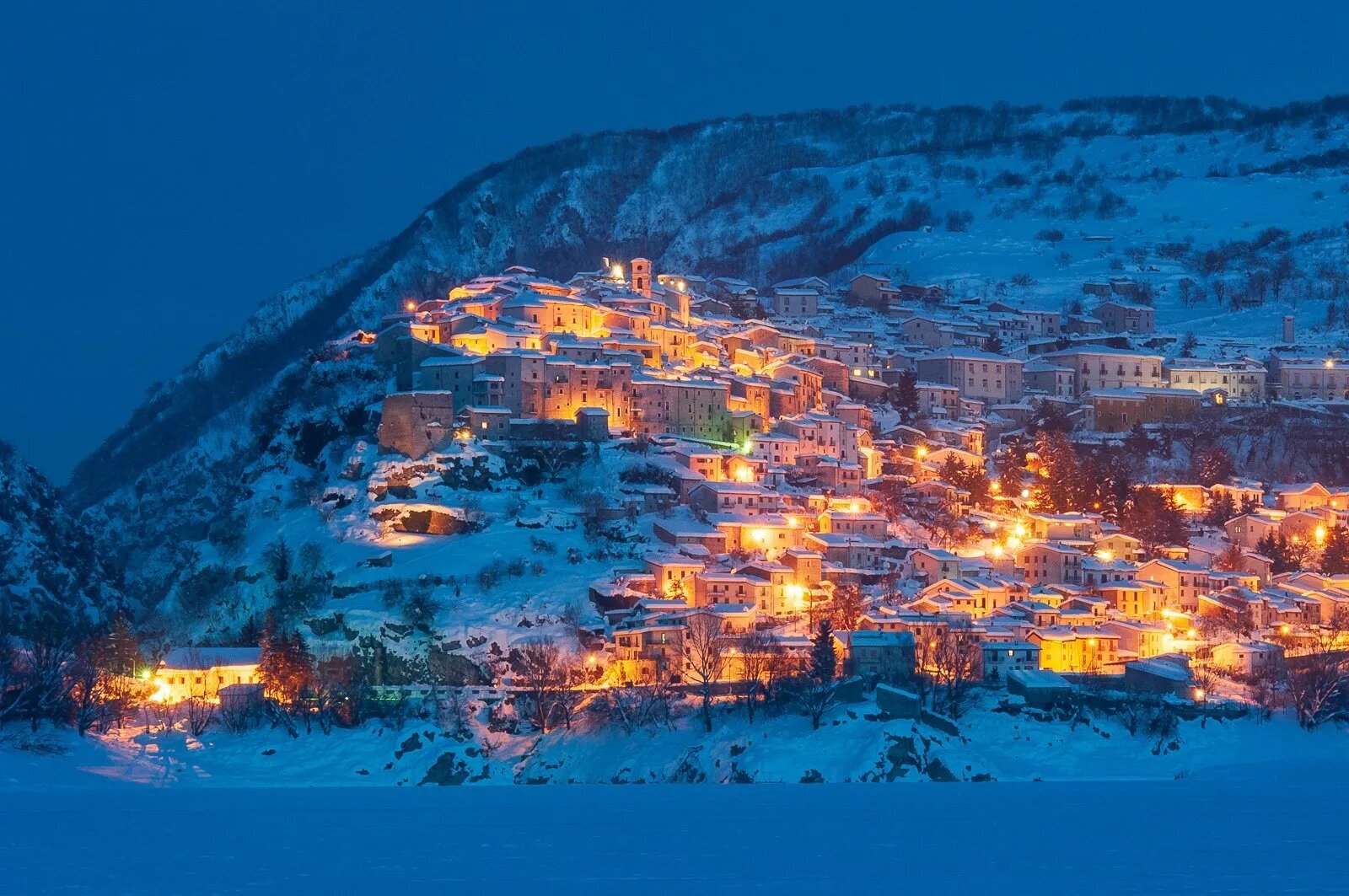
Il piccolo borgo di Barrea avvolto nella neve durante le festività del Capodanno | © Umberto Esposito - Wildlife Adventures

The 20th century: the Park, war, the lake and reconstruction

Between the two World Wars, the local economy declined further and internal emigration—especially towards the capital—grew, with a sharp population drop in the 1920s. In this period, two major developments also took shape: the establishment of the Abruzzo National Park and the planning of the lake, initially not approved by the central government.

In 1943, during World War II, Barrea lay on the front line of the Gustav Line. The population was evacuated and the village suffered looting and destruction; when residents returned in June 1944, they found Barrea in ruins and largely mined. A figure remembered by the community is Aldo Di Loreto, commemorated with a monument.

After the war, reconstruction began quickly, but in the same years a change started that would permanently transform the valley’s landscape: the creation of the hydroelectric reservoir. The basin was completed in the early 1950s and in 1952 Lake Barrea was born. Its construction had a strong impact on the local economy, including the loss of the most fertile land and some productive facilities in the flooded area.

In the following decades, traditional activities linked to agriculture and livestock gradually declined and tourism became the main vocation. The 1984 earthquake represented another major setback: for years the village was bound to repair and reconstruction works in the historic centre, with significant effects on the social fabric.

Origin of the name

The name is documented as Barreiam (1150–1165) and refers to a pre-Latin base barr- that may mean “gorge” or “ravine”, with parallels in some Latin personal names (Bar(r)ius, Barrus, Barronius). A common interpretation instead links it to the Latin Vallis Regia (“King’s Valley”), a form also attested in 1320.

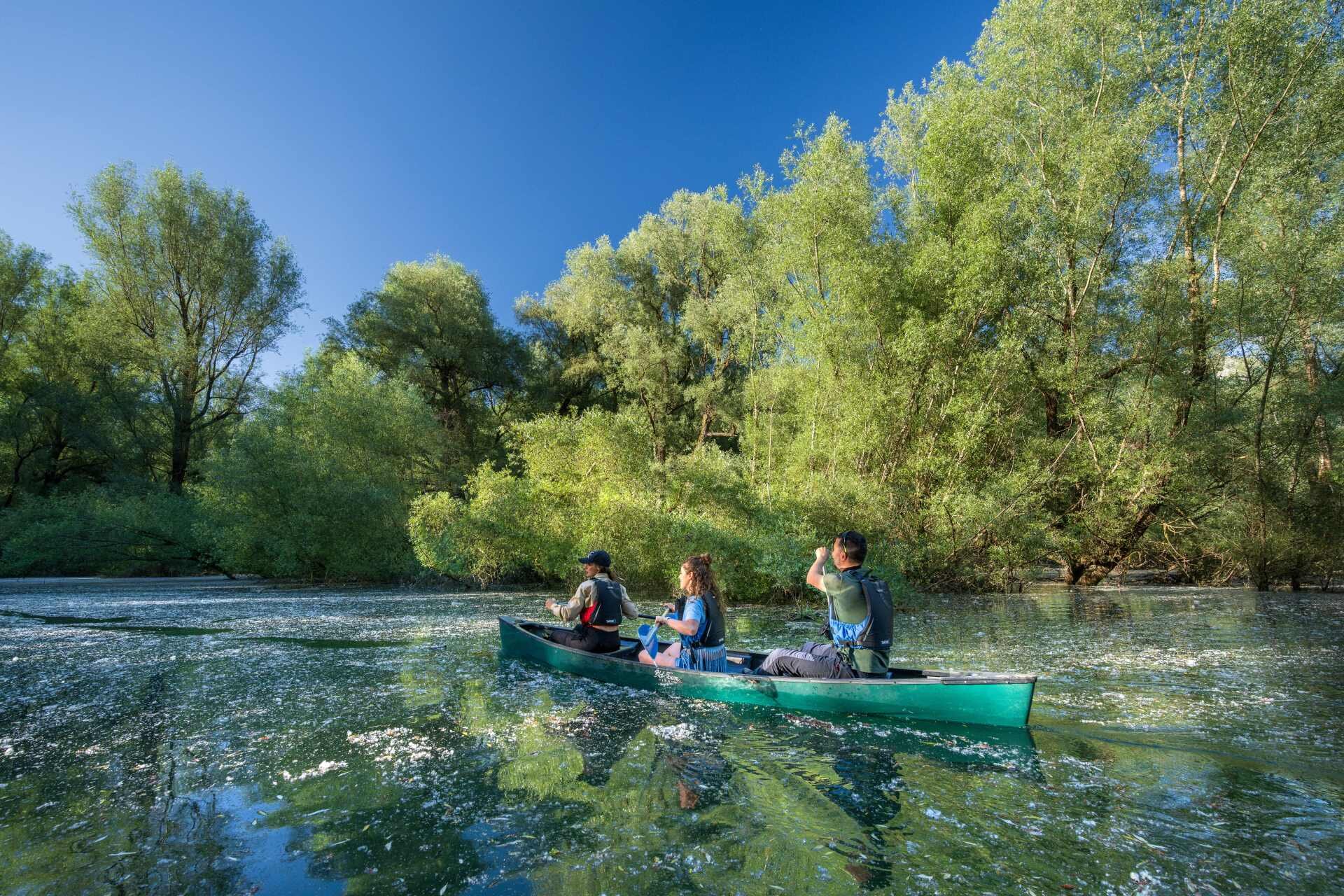
Esperienze in canoa sul Lago di Barrea, tra montagne, boschi di salici e acque cristalline | © Umberto Esposito - Wildlife adventures

Lake Barrea: a blue gem in the Sangro Valley

Originally created as an artificial reservoir, Lake Barrea has blended into the landscape of the Abruzzo, Lazio and Molise National Park with surprising naturalness. Today it is one of the most evocative corners of the Upper Sangro: a mirror of water reflecting forests and mountains, a favourite spot for nature walks, outdoor activities and quiet moments—especially in spring and summer.

A man-made lake turned a biodiversity hotspot

Although it is an artificial basin, the lake is recognised as a Ramsar wetland of international importance. Its shores and riparian woods (willows and white poplars) form a mosaic of micro-habitats that changes season by season.

It is a key area for waterbirds: during migration and wintering you may spot species such as the great crested grebe, little grebe, mallard, common teal, Eurasian wigeon, common pochard and Eurasian coot. Along the shores, species such as the grey heron, moorhen, mallard and also some pairs of little grebe nest (or regularly frequent the area).

Beyond the lake: the Sangro “water corridor”

What also makes Barrea special is what flows right beside the fortified village: the Sangro River and its gorges. Here the water becomes running again—cool and oxygen-rich—an ideal habitat for some of the most fascinating (and discreet) species of Apennine streams.

In the summer of 2018, after more than 40 years since the last confirmed report, a new presence of Eurasian otter was recorded upstream of the Barrea dam. This led the Park to start a systematic survey in 2019, entrusted to the University of Molise. Seeing the otter remains rare: more often the river “speaks” for it through tracks and signs along quieter banks, especially at times of low disturbance.

For birdwatchers, the Sangro is a small natural training ground: just stop silently along a stretch of current and wait. On rocks midstream you may notice the dipper; a little further downstream, where the flow slows and branches hang over the water, the common kingfisher may appear—a blue flash skimming the surface, often caught only out of the corner of your eye.

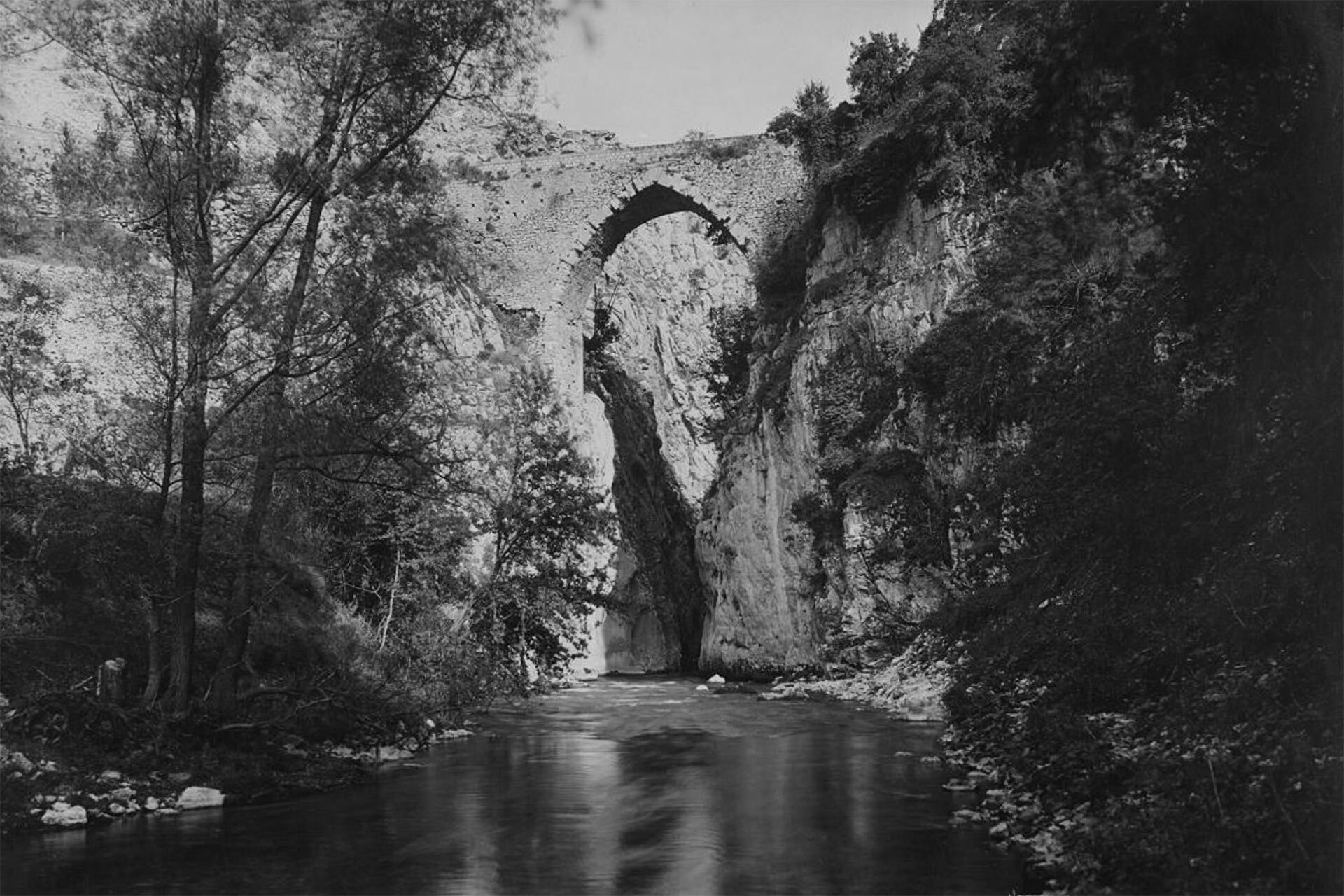
Foto d’epoca in bianco e nero della Forra di Barrea e della foce del fiume Sangro prima della diga. | © Archivio Wildlife Adventures

Why the lake exists and how it was created

Lake Barrea is an artificial reservoir built in the immediate post-war years for hydroelectric power generation: the valley was closed by a dam that blocks the Sangro River at the Foce (gorge) of Barrea. The construction site dates between the late 1940s and early 1950s, with the dam completed in 1952.

Today the lake covers about 300 hectares, reaches a maximum depth of around 35 metres, is just under 5 km long and—at its widest—several hundred metres across. Its capacity is in the order of about 24 million m³.

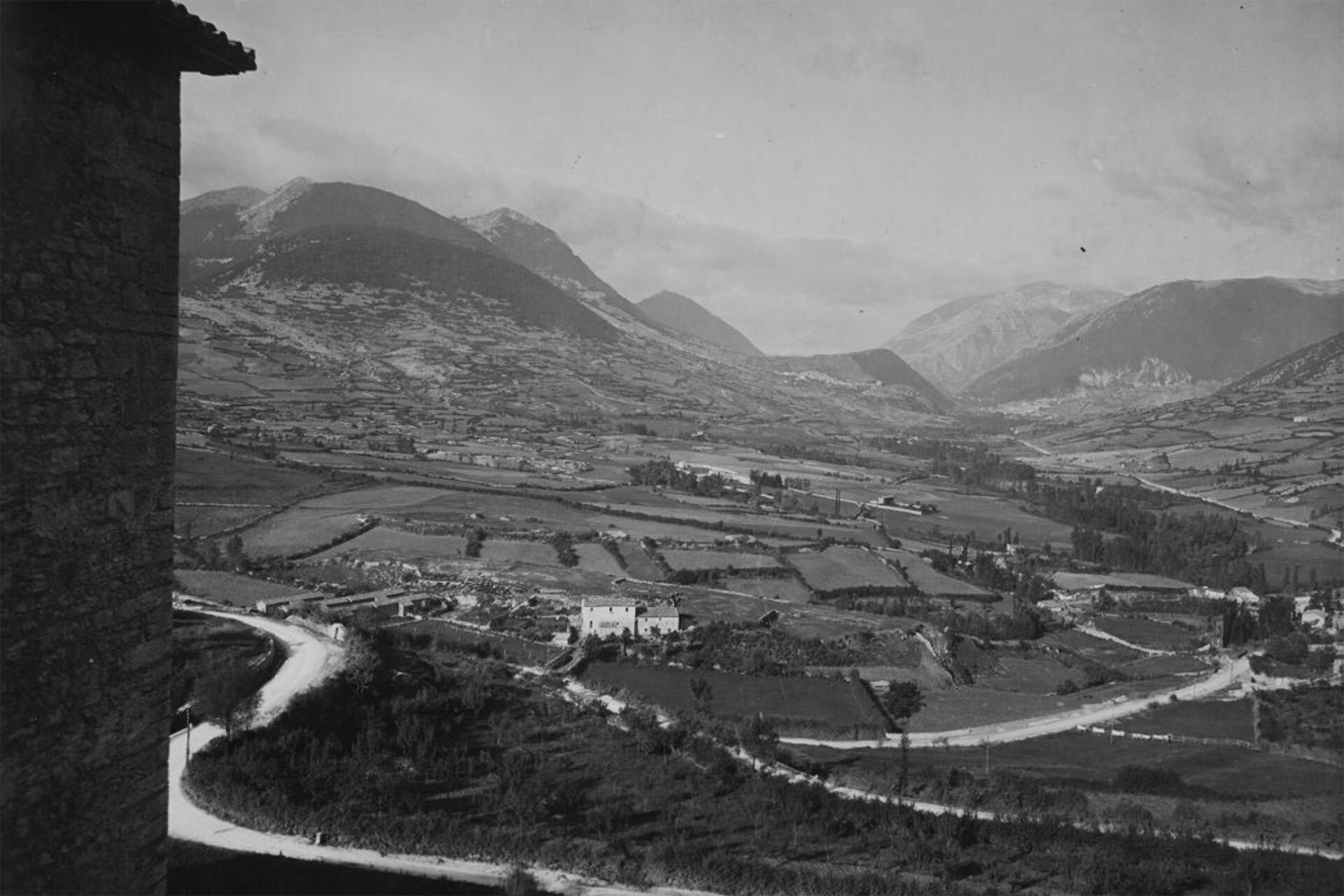
Veduta d’epoca della valle del Sangro a Barrea prima della costruzione della diga e della formazione del Lago di Barrea (Abruzzo). | © Archivio Wildlife Adventures

Before the reservoir: what the Sangro Valley used to look like

Before the water filled the basin, the valley here was largely cultivated. The valley floor was also an important connection corridor: not far from the river ran the Regio Tratturo Pescasseroli–Candela, one of the great transhumance routes that for centuries linked the Apennines to the Tavoliere delle Puglie.

In this mosaic of fields, water and rural life, some places that have now “disappeared” tell the story of change well. In the Baia area, on the valley floor, stood the convent and the Church of Madonna delle Grazie, long managed by Franciscan friars.

In the following decades, the church and convent fell into ruin and—being below the future reservoir level—were destined to be demolished. The local community opposed losing the church: for this reason, Madonna delle Grazie was rebuilt in its current location, within the village of Barrea, recreating the original structure and reusing historical elements such as the portal, altars and part of the sacred furnishings.

A scenic ebike tour in the heart of the Abruzzo. Pedal effortlessly along an evocative route around Barrea's lake, passing through the characteristic villages of Civitella Alfedena, Barrea and Villetta Barrea.

  • Villetta BarreaVilletta Barrea
  • Distance: 15 kmDistance: 15 km
  • 3 Hours3 Hours
  • Height difference: 200 mHeight difference: 200 m
  • 4-12 people4-12 people
  • Difficulty: EasyDifficulty: Easy

Imagine immersing yourself in an oasis of peace, where the crystal clear waters of Lake Barrea stretch like a turquoise veil between the majestic mountains of the Abruzzo National Park. Here, Canadian canoeing is the perfect way to explore this enchanting corner of Italy, offering you an intimate connection with nature.

  • Distance: 5 kmDistance: 5 km
  • 1.3 Now1.3 Now
  • Height difference: 10 mHeight difference: 10 m
  • 4-12 persone4-12 persone
  • Difficulty: EasyDifficulty: Easy

Barrea: what to see in the historic centre

Barrea Castle and its two towers

The ultimate panoramic viewpoint over the lake and the valley is the Monumental Castle, recognisable by its city walls and two towers: an older square-plan tower and a circular one added later to strengthen defence and control access to the village.

The fortress, generally dated between the 11th and 12th centuries, is linked to local feudal history (the Di Sangro family and later other lords). Over the centuries it suffered damage and restorations: an important intervention is remembered in the 19th century; after Italian unification the complex became private property and, more recently, it has been restored for cultural and tourism purposes.

Visiting is already a small journey back in time: you enter the fortified centre through Porta di Sopra (Upper Gate) and climb between alleys and tightly packed houses that also served as defensive “walls”. At the top, the tower offers wide views over the Sangro Valley and the Park’s mountains—at sunset, as the light shifts on the lake, the effect is truly special.

The Antiquarium of Safine Civilisation

In the heart of the village, the Antiquarium tells a story far older than the medieval settlement: the Italic communities of the Upper Sangro. The exhibition brings together funerary grave goods from local necropolises, dating between the late 7th and 6th century BC (especially from the Colleciglio area, often also referred to as Colle Ciglio).

The route is short but rich in detail: among everyday objects and ornaments you can glimpse rituals and beliefs, and the care devoted to some child burials is striking. Among the most curious finds are materials suggesting wider contacts and exchanges, such as small beads or glass artefacts and fine-tradition ceramics.

The Bat Room

Just before reaching the castle, you’ll find a room dedicated to bats: an educational centre with panels, photos and audiovisual material that helps people understand these mammals—extremely important for ecosystems and often victims of misconceptions.

The highlight is the “live” observation: thanks to cameras installed in an adjacent space, you can follow a colony of around 170 greater horseshoe bats. The visit is especially recommended in the warmer months, when the colony’s activity is more evident.

Zooristur: Italia and Pietro’s agro-pastoral project

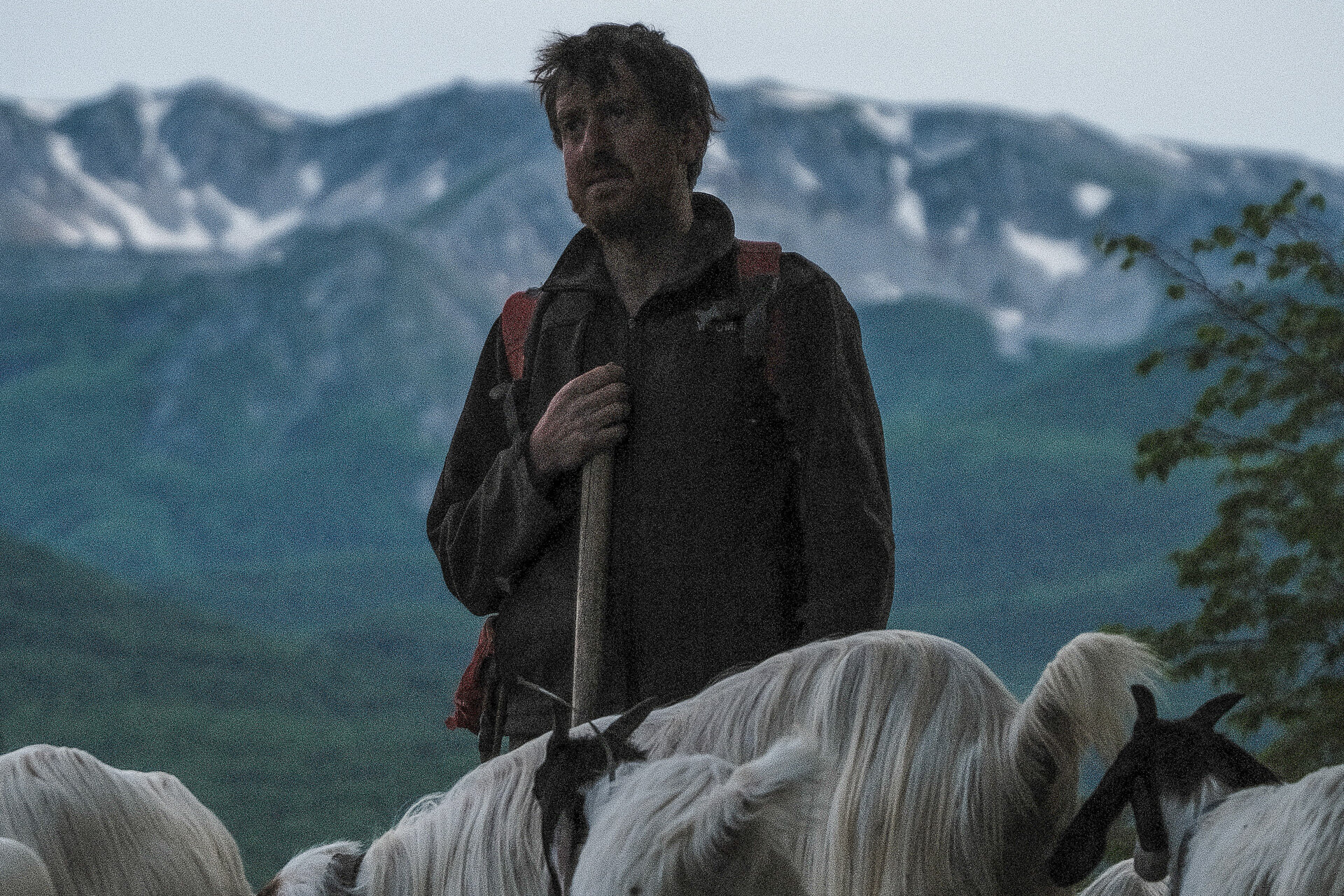
At the edge of the village, you’ll also find a contemporary vision of mountain life and farming: Zooristur (livestock farming, research, development and tourism), the project of Italia and Pietro. Founded in 2020, it combines land recovery, livestock breeding and cheese production, with hands-on activities linked to farm life.

At the heart of the project are goat cheeses, made with milk produced on the farm—an ideal opportunity to taste authentic local flavours and see up close how tradition and sustainability can go hand in hand.

If you want to add an even “wilder” element, the most evocative experience is following the herd while grazing: an authentic way to read the landscape—between meadows, woods and stories of coexistence with the Park’s wildlife.

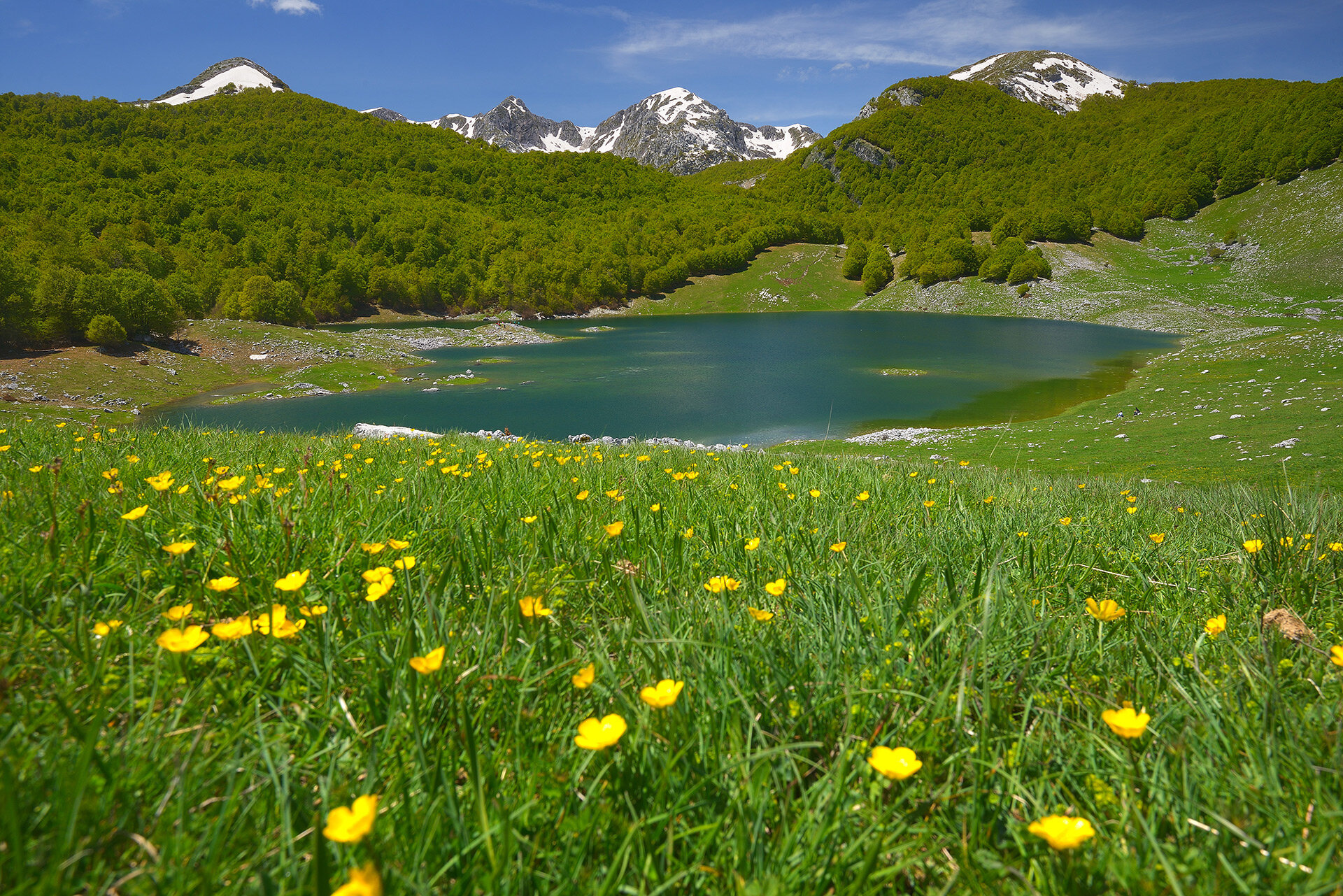
Nestled in a picturesque grassy basin at the foot of Monte Iamiccio, Monte Petroso, and Monte Altare, Lago Vivo is one of the most captivating hiking destinations in the Abruzzo, Lazio and Molise National Park. | © Marco Buonocore - Wildlife Adventures

Barrea: recommended itineraries

From Barrea to Lago Vivo via Valle dell’Inferno

Set in a grassy basin at the foot of Monte Iamiccio, Monte Petroso and Monte Altare, Lago Vivo is one of the most fascinating hikes to do near Barrea, in the Abruzzo, Lazio and Molise National Park. It’s a panoramic and “geological” itinerary because it crosses environments shaped by karst and glaciations: sinkholes, small cavities, smoothed rocks and moraine deposits that tell—step by step—the story of the Apennines.

The name is no coincidence: Lago Vivo is a seasonal karst lake. It usually fills mainly in spring, thanks to snowmelt and rainfall, and then tends to shrink or disappear when water drains underground through swallow holes and subterranean channels. For this reason, the best time to find it at its fullest is spring (or early summer after particularly snowy years), when water and high-altitude meadows create a truly special setting.

From April to June we organise guided hikes to Lago Vivo and the Rio Torto Valley to admire the beautiful Grotta dello Schievo.

From Barrea to the springs of Valle Jannanghera

In the distant past, water was considered sacred in many cultures and religions: a precious resource, able to shape landscapes and community life. Its purifying power inspired rites, ceremonies and legends, and even today trails, routes and ancient crossroads seem to approach springs with an instinctive respect. Fonte Sambuco, the Spring of the Women and the Jannanghera Spring are no exception.

The route crosses cool forests and valley stretches where water creates micro-habitats rich in life: ferns, mosses and woodland blooms accompany the walk, while it’s not uncommon to notice signs and tracks of the Park’s wildlife. With a bit of luck (and a lot of discretion), you may observe evidence of ungulates and— in quieter areas—also signs of the Marsican brown bear: a real presence, but rarely visible.

As we move deeper into the forest, between history and nature, we allow ourselves an ancient, simple gesture: hands cupped, face leaning close, lips barely parted. A sip that tastes of woodland and rock. Simply water.

Hikes with local guides

With Wildlife Adventures, we run guided experiences year-round in the Abruzzo, Lazio and Molise National Park, with Barrea as an ideal starting point to explore forests and panoramic ridgelines. From family-friendly hikes to more demanding outings, we’ll help you discover the area with the right pace, landscape interpretation and a strong focus on safety.

You can choose itineraries such as Lago Vivo, the magic of a sunrise hike at high altitude, e-bike outings like the Lake Barrea loop, or a Canadian canoe experience on Lake Barrea for a dynamic way to enjoy the Park. Our guides work with a respectful approach: no shortcuts—just nature observed with discretion and awareness.

Experiences

Stay up to date with the latest news by signing up to the Wildlife Adventures newsletter.

Thank you

LBL_MAILINGLIST_CONTROLLA_EMAIL_ATTIVAZIONE

Something went wrong

Please try again

Close

Newsletter subscription