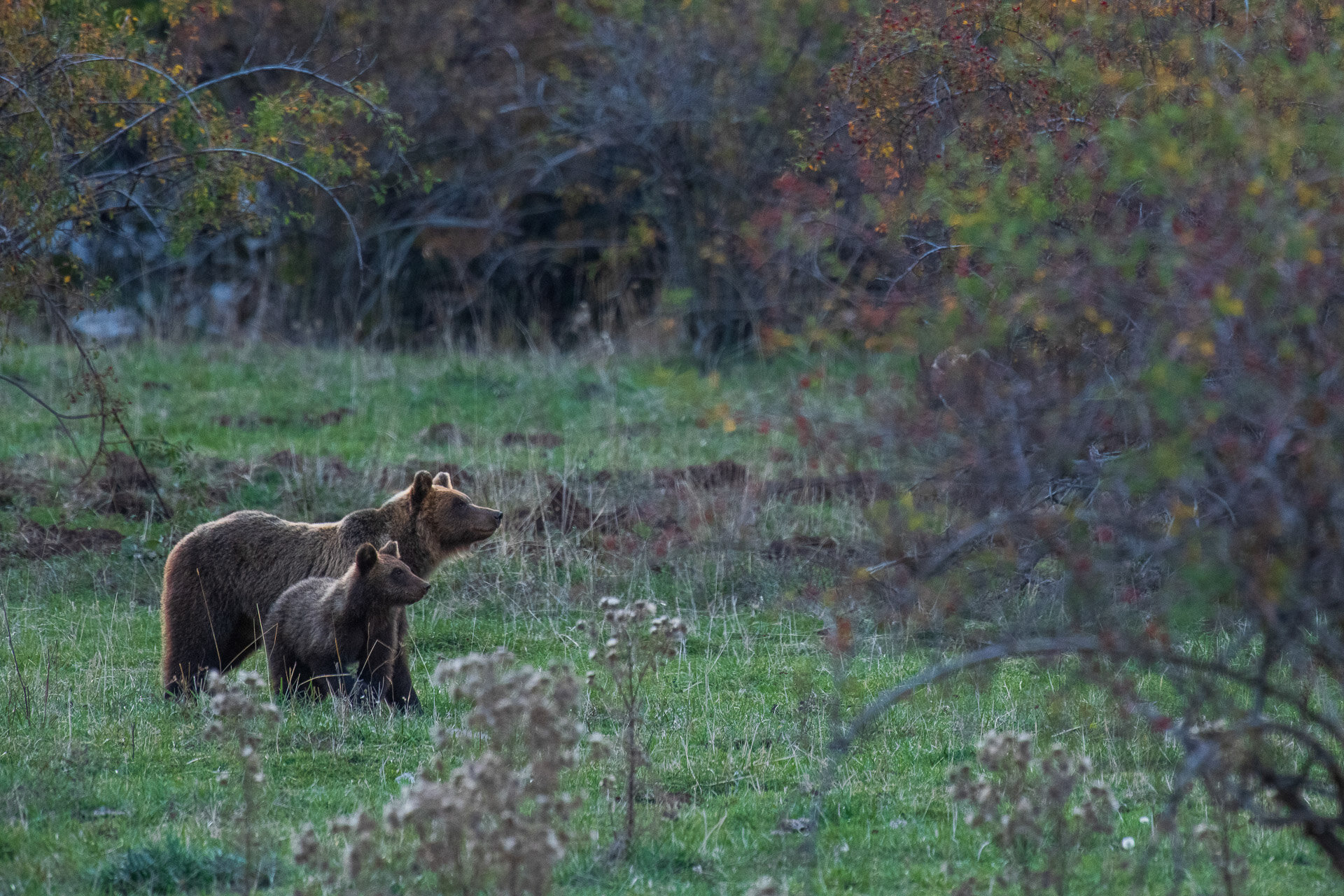
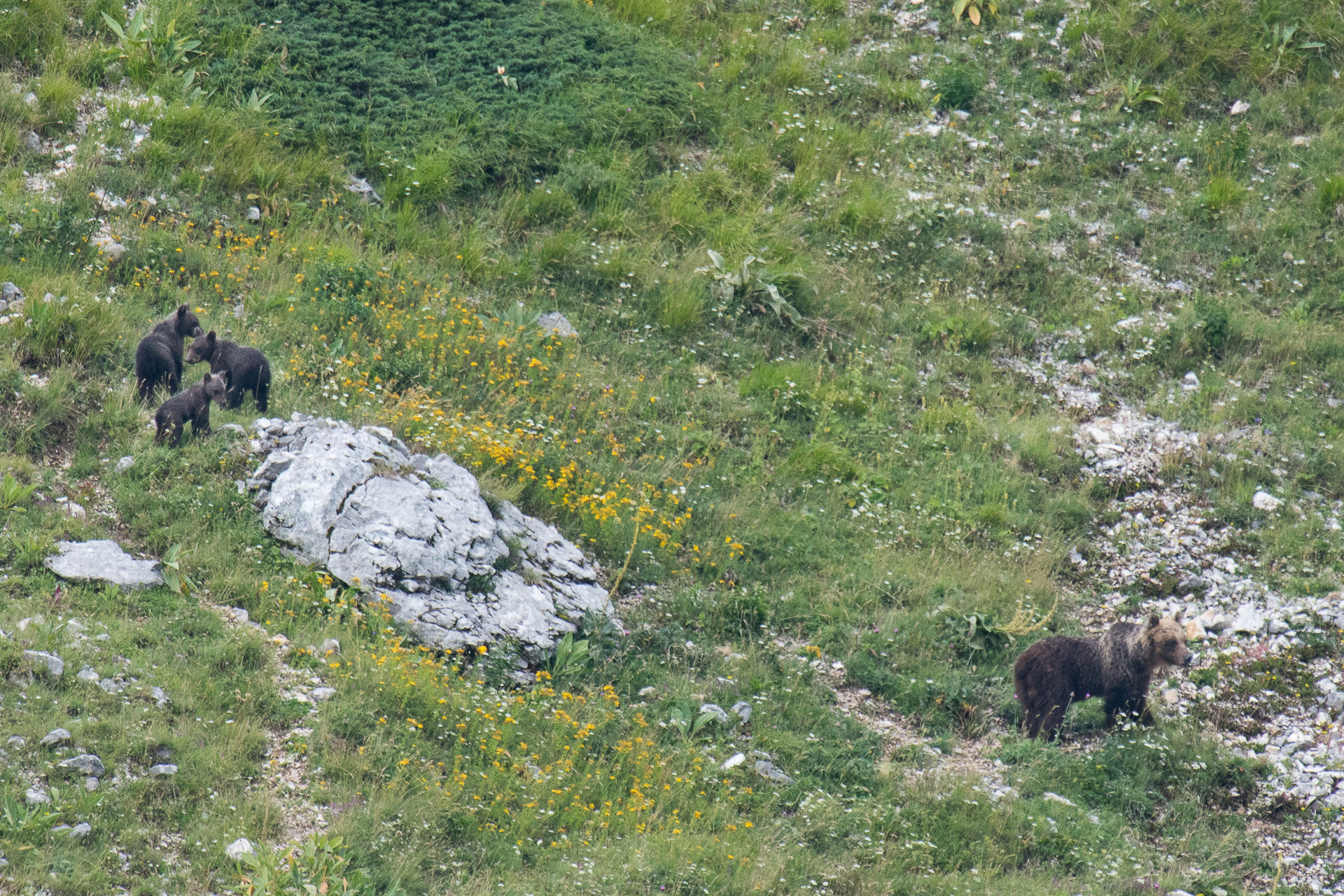
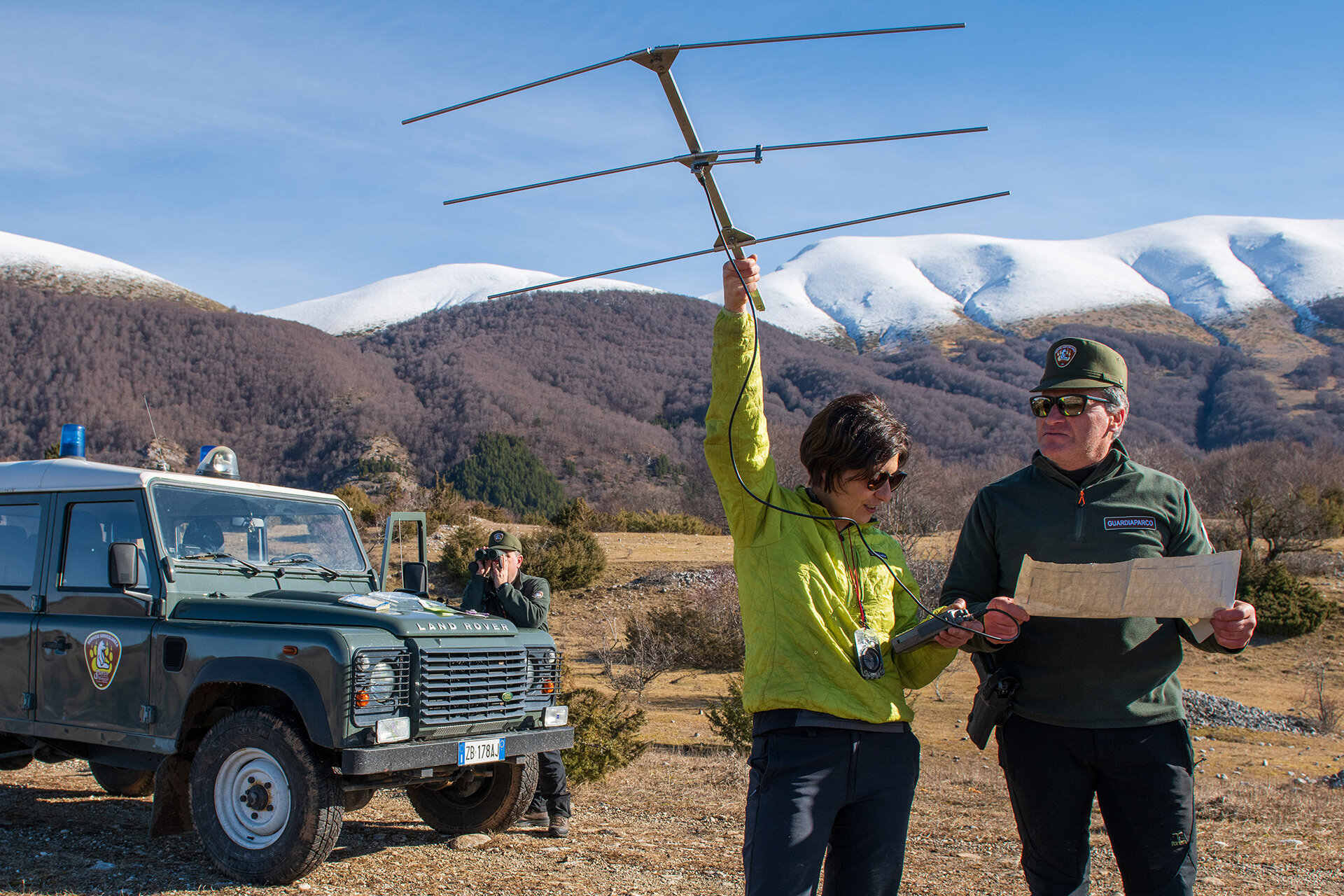
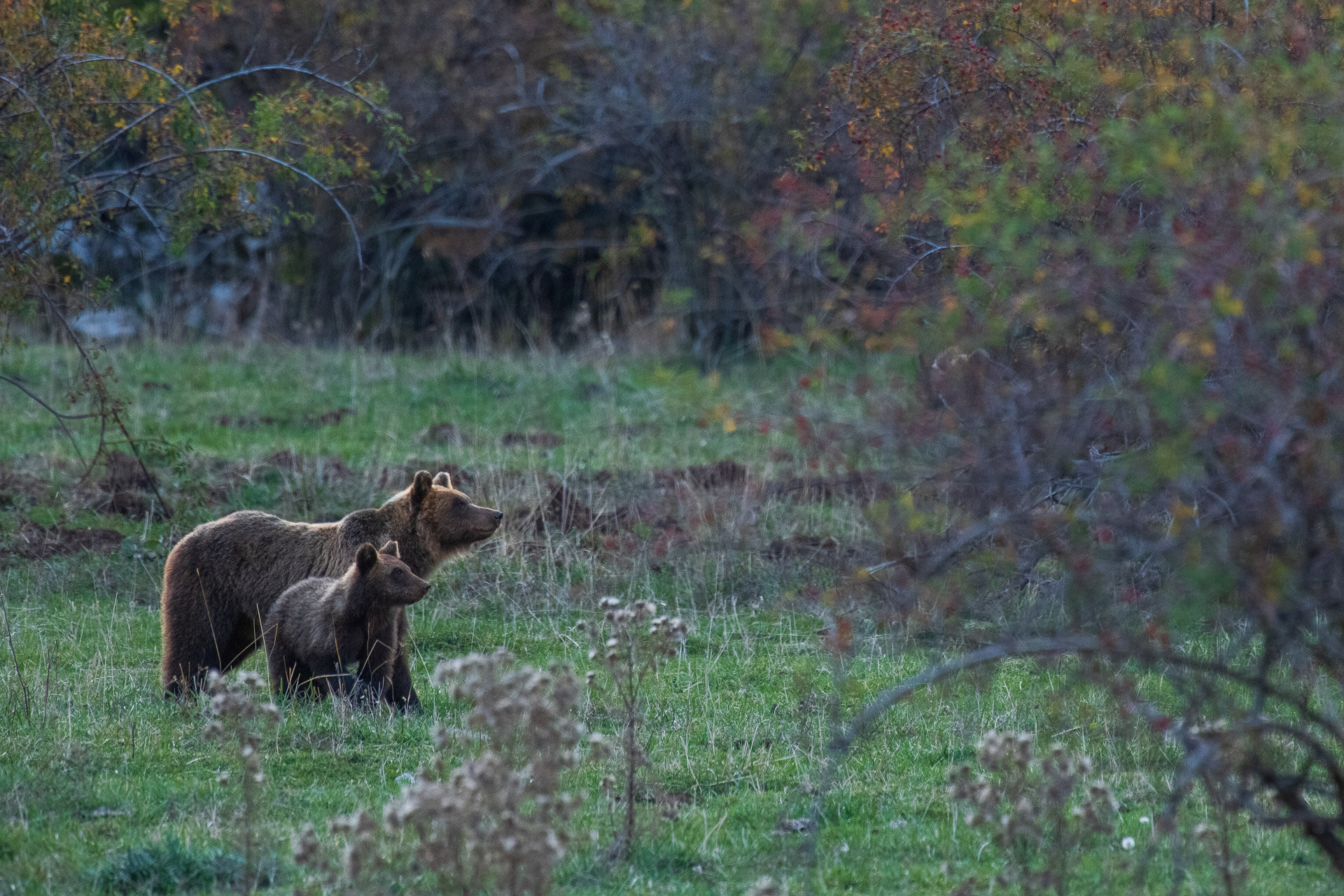
The Marsican brown bear is one of the rarest and most precious wildlife species of the Central Apennines. Its population, estimated at around 50 individuals, is mainly concentrated within the Abruzzo, Lazio and Molise National Park and represents a unique case in Europe: a population isolated for millennia, with very low genetic variability and distinct behavioral traits compared to other brown bears across the continent.
Marsican brown bear: a complete guide to habitat, behavior and conservation

Zoological Classification
The Apennine bear is a brown bear in every respect and is known as the Marsican brown bear (Ursus arctos marsicanus Altobello, 1921). Although it is not officially recognized as a subspecies, its long period of isolation (approximately 3,000–4,000 years) has led to significant genetic, morphological and behavioral differentiation from Alpine and other European brown bear populations.
For this reason, the remaining Apennine population is considered a distinct evolutionary and conservation unit of exceptional biological value.
Status and distribution
The population is estimated at around 50 bears, with a possible range between 45 and 69 individuals, and shows a slightly female-biased sex ratio. It consists of a single population with extremely low genetic variability, which has shown no real demographic recovery for several decades.
For these reasons, the Marsican brown bear is classified as Critically Endangered (CR) at both national and international level by the IUCN (International Union for Conservation of Nature). The species is also protected by European and Italian legislation.
The core range lies within the Abruzzo, Lazio and Molise National Park (PNALM), which, including surrounding buffer areas, covers about 1,300 km². Outside this protected area, dispersing individuals are recorded over a wider area of about 5,000 km², which in recent years has shown encouraging signs of recolonization, especially due to the confirmed presence of resident females with cubs.

Habitat
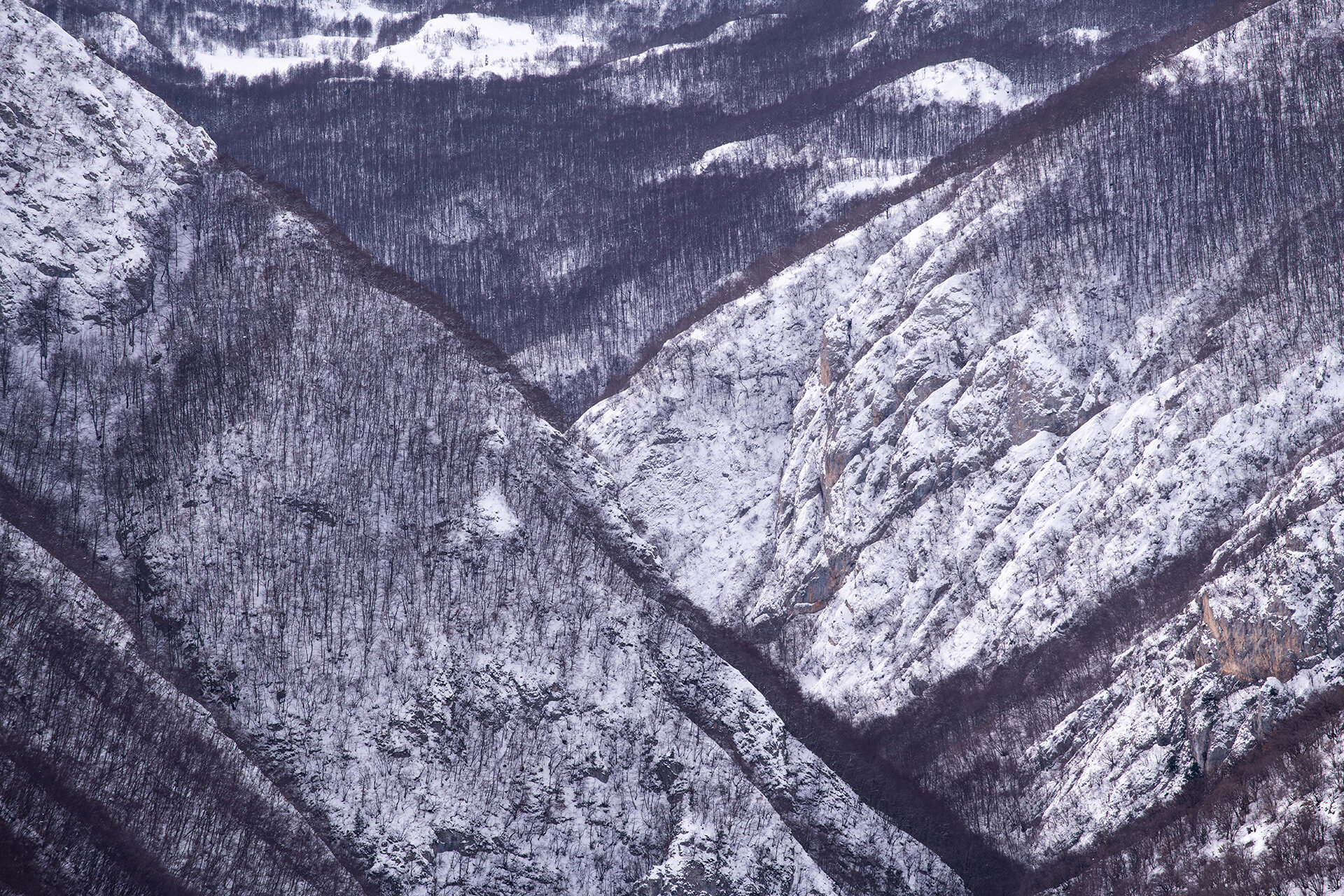
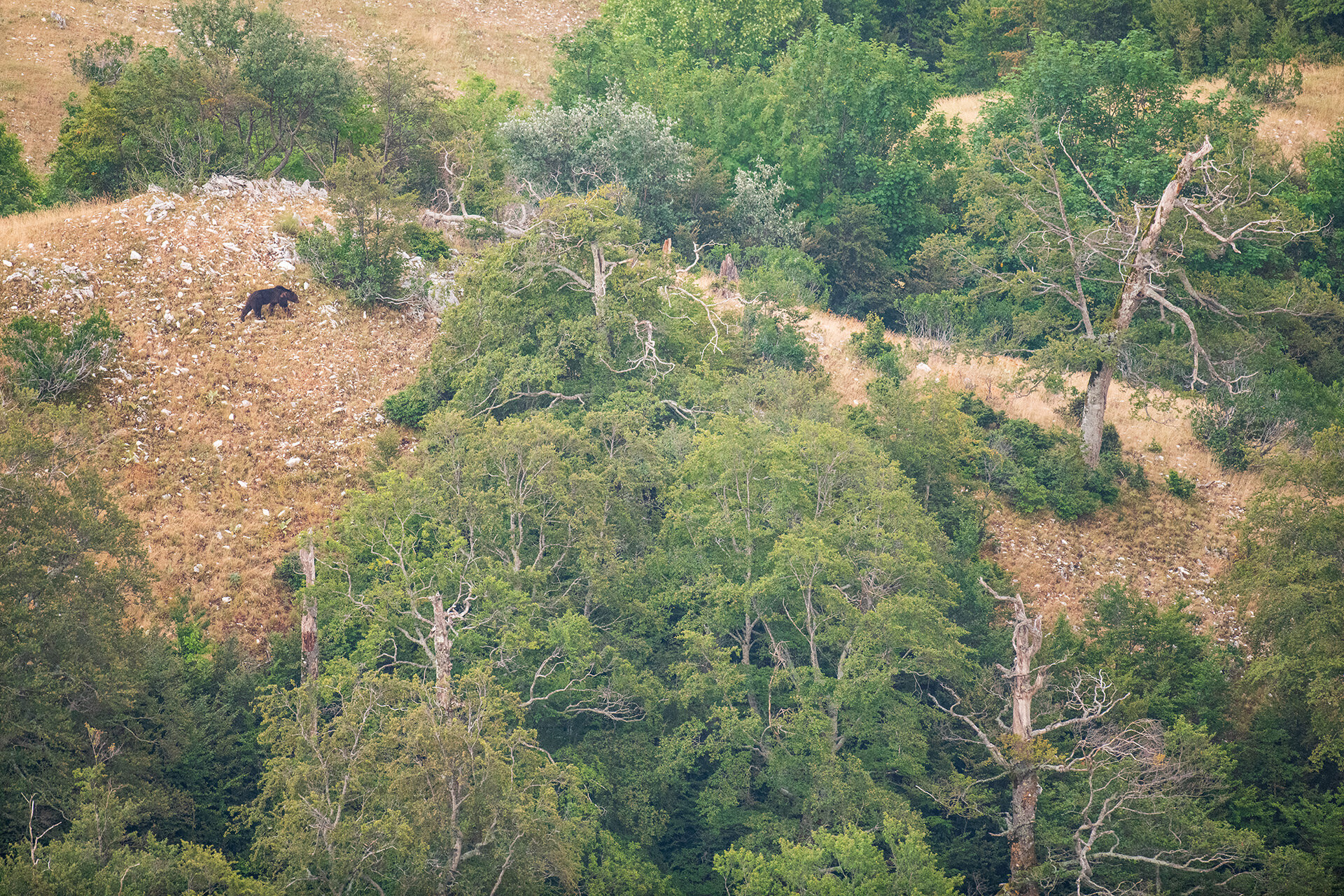
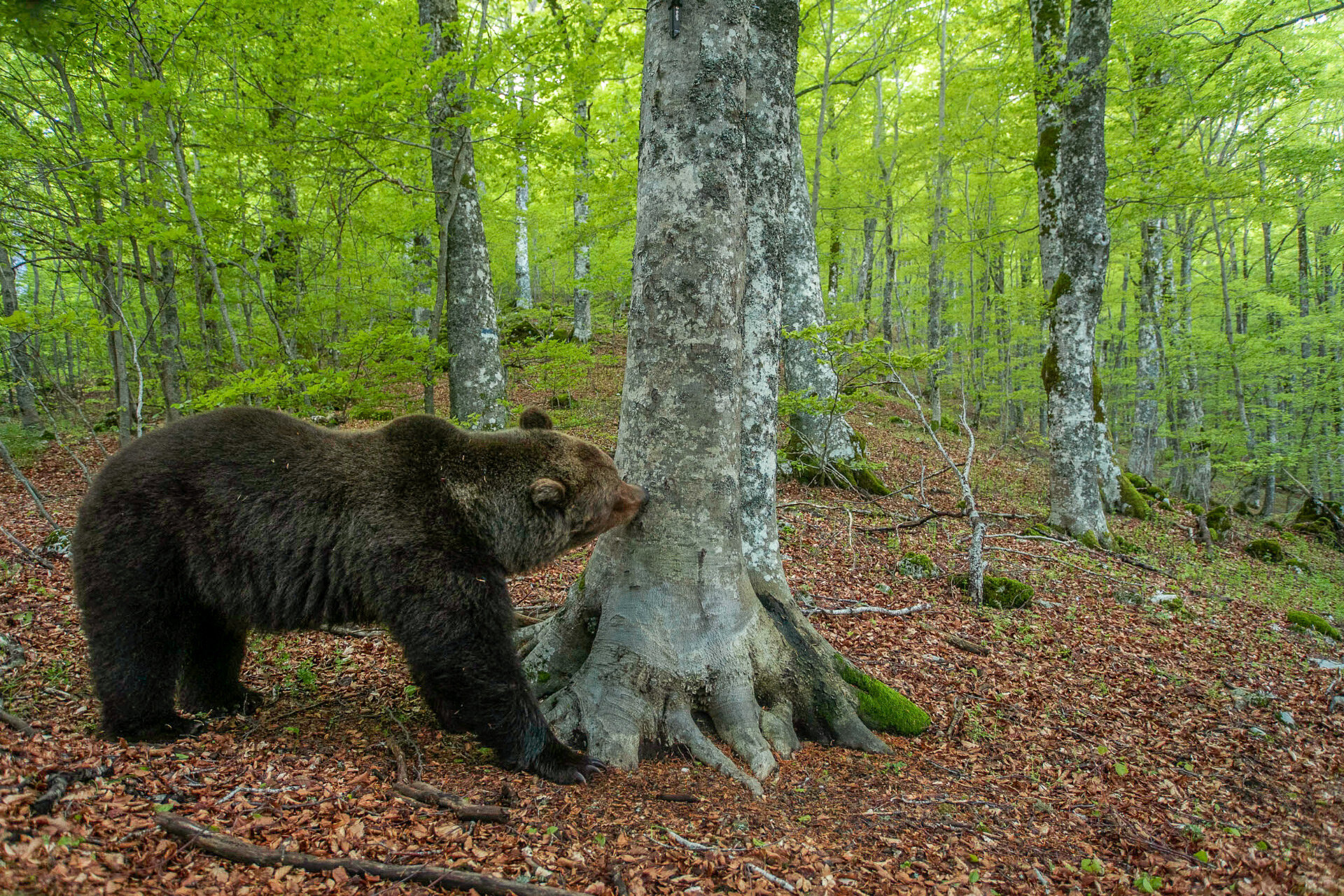
The Marsican brown bear is strongly associated with mountain forest ecosystems, particularly beech and oak forests, where it carries out most of its activities and finds shelter during the daytime. Across Europe, this preference is also linked to a marked avoidance of human-settled areas.
To feed, bears frequently move—especially at night—into open valley-bottom areas such as pastures and abandoned fields. Their movements are largely driven by seasonal and altitudinal changes in food availability, resulting in shifting habits throughout the year.

Appearance and locomotion
Bears have a massive and powerful appearance. Adult males may weigh between 60 and 200 kg, depending on age, individual condition and season, while females are generally lighter, weighing between 60 and 150 kg.
Body length reaches about 150 cm in females and may exceed 180 cm in males. Shoulder height ranges from 70 to 100 cm in males, slightly less in females.
Bears walk with a characteristic rolling gait and a pacing stride, moving the limbs on the same side almost simultaneously. They are plantigrade, meaning they place the entire sole of the foot on the ground. While this prevents sustained high-speed running like wolves, bears can still reach speeds of up to 40 km/h over short distances. Plantigrade posture also allows bears to stand upright on their hind legs, a behavior often associated with curiosity or uncertainty.

Teeth and skull
If a bear were to smile, it would reveal 42 teeth. The dental formula includes: Incisors (3/3), Canines (1/1), Premolars (4/4) and Molars (2/3).
Over evolutionary time, molars have adapted to an omnivorous diet: they are large and multi-cusped, ideal for crushing vegetation and hard fruits. The skull is robust and wide, particularly at the rear, with a short, blunt snout that gives bears a more compact facial profile compared to wolves.
The mandibles are extremely strong and feature a diastema, a gap between incisors and canines that is also found in herbivores and provides more surface area for tearing vegetation.
Coat coloration
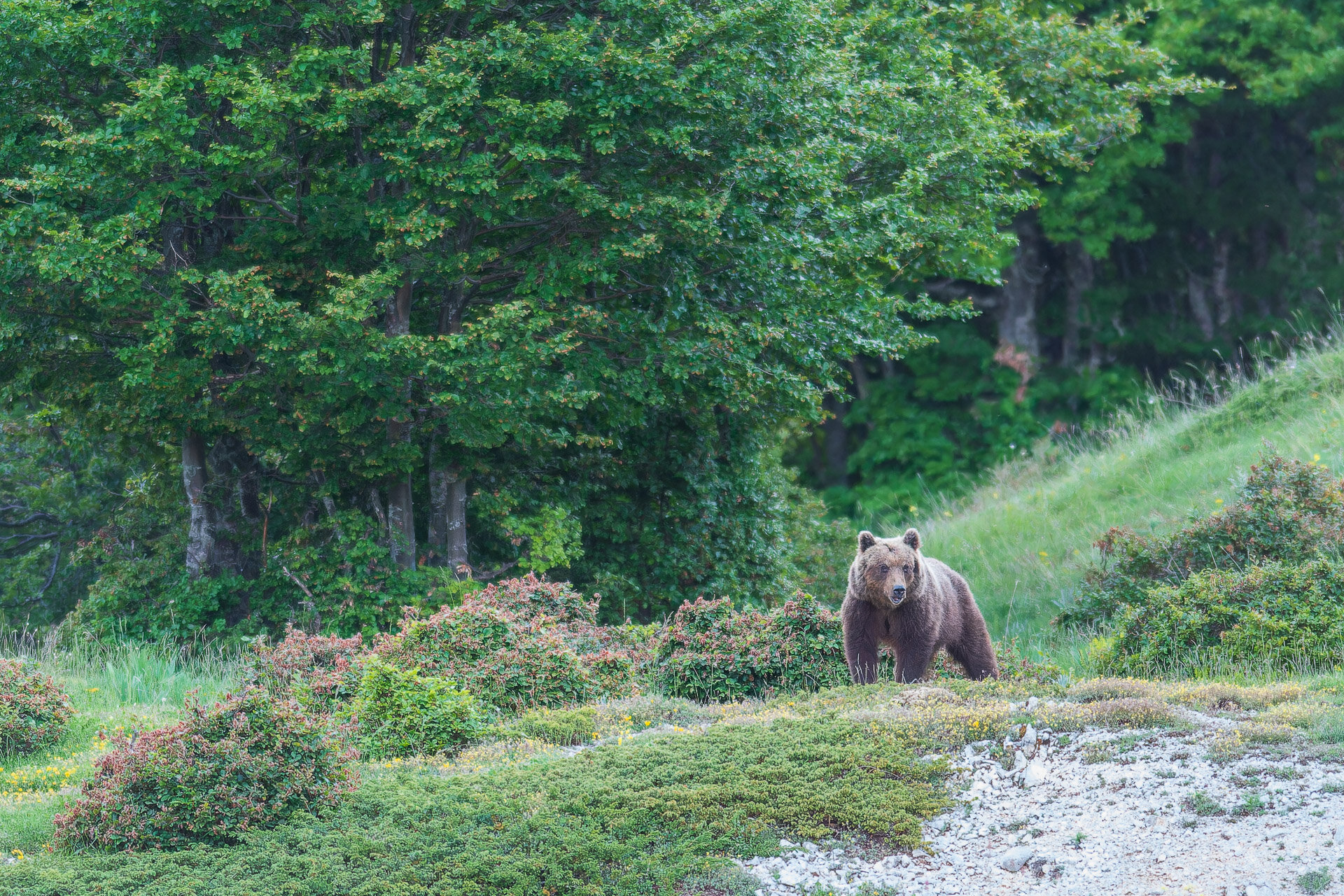
Coat color varies greatly with age, sex and lighting conditions. The base color is brown, but shades range from almost black to blond, with many intermediate tones.
Paws and claws
Bear tracks are unmistakable due to their size, shape and the presence of five toes. Both front and hind feet feature large plantar pads made of thick fatty tissue covered by tough skin: kidney-shaped and broad in the front foot (about 15 cm), pear-shaped and elongated in the hind foot, which can reach 23 cm.
The claws are strong, curved, non-retractile and can exceed 10 cm in length.
Tail
The bear’s tail is very short and almost immobile, and therefore plays little role in communication, unlike the highly expressive tail of a wolf.

Eyes, ears and sense of smell
Small eyes, rounded ears and a long, powerful snout characterize bears. Their sense of smell is extraordinary—more than 2,000 times stronger than that of humans—and is their primary sense.
Bears have relatively poor eyesight and are essentially nearsighted. Vision is mainly used in combination with smell, while their hearing allows them to detect small prey even underground.
Reproduction and social behavior
Bears are polygamous. The mating season runs from April–May through late July. During this time, a female may be followed by several males that compete for mating opportunities, sometimes through aggressive encounters.
Courtship can last up to 20 days. After mating, embryonic development stops at an early stage (delayed implantation) and resumes only when the female enters the den, between November and December, provided she has reached adequate body condition.
Females give birth for the first time between 4 and 8 years of age. Litters usually consist of 1–2 cubs, rarely three, with intervals of 3–5 years between births. Cubs stay with their mother for about 1.5 years. First-year cub mortality is high and can exceed 50%, partly due to infanticide by adult males.

Diet
The Marsican brown bear is omnivorous, meaning it feeds on a wide variety of plant and animal foods—an evolutionary strategy developed millions of years ago that allows flexibility and survival in changing environments. In the Apennines, more than 60% of the diet consists of fleshy fruits (such as pears, apples and berries) and dry fruits (acorns and beech nuts), about 25% is made up of herbaceous plants and insects (especially ants), and roughly 8% consists of wild and domestic ungulates, including red deer, roe deer, wild boar, sheep and cattle.
To survive the winter, when plant food becomes unavailable, bears have evolved a key strategy: hibernation. During this period, bears do not eat or drink, and their metabolism slows to less than half its normal rate.
The diet of Marsican brown bears varies seasonally according to food availability and nutritional needs. Appetite increases progressively through spring and peaks in summer and autumn, when fruit is most abundant—precisely when bears need to accumulate fat reserves for winter.

Threats and conservation challenges
The Marsican brown bear is particularly vulnerable due to its many ecological requirements: large territories rich in food, low levels of disturbance, and safe, quiet areas for winter denning. In addition, the species reproduces very slowly and cannot withstand high mortality rates.
In the Apennines, an average of 2–3 bears die each year from various causes, most of which are directly or indirectly linked to human activities. Conservation priorities are defined in the PATOM (Action Plan for the Protection of the Marsican Brown Bear) and include the following key actions:
- management of human activities (recreational, tourism-related and forestry) in areas critical for bear presence;
- prevention and mitigation of risks related to vehicle traffic on highways, main roads and local roads;
- prevention and management of disease transmission from grazing livestock;
- management of free-ranging dogs and stray animals;
- prevention of economic damage to crops and livestock;
- reduction of anthropogenic food attractants to limit the development of food-conditioned bears near settlements.
Where to see the Marsican brown bear in Italy?
The Marsican brown bear lives in the Central Apennines, mainly in the Abruzzo, Lazio and Molise National Park and in the surrounding areas. It is not found in wildlife enclosures (where, at the moment, you can only see European brown bears): to try to spot it, you need to explore the wild, ideally with a local guide, following a correct and non-invasive approach.
If you want to increase your chances in an ethical and safe way, discover our Bearwatching in Abruzzo with local guides .
Where you have the best chances
- Abruzzo, Lazio and Molise National Park (PNALM): the core of the bear’s range.
- Surrounding areas: Majella National Park, Monte Genzana – Alto Gizio Nature Reserve, Simbruini Mountains Regional Natural Park.
When you’re more likely to see it
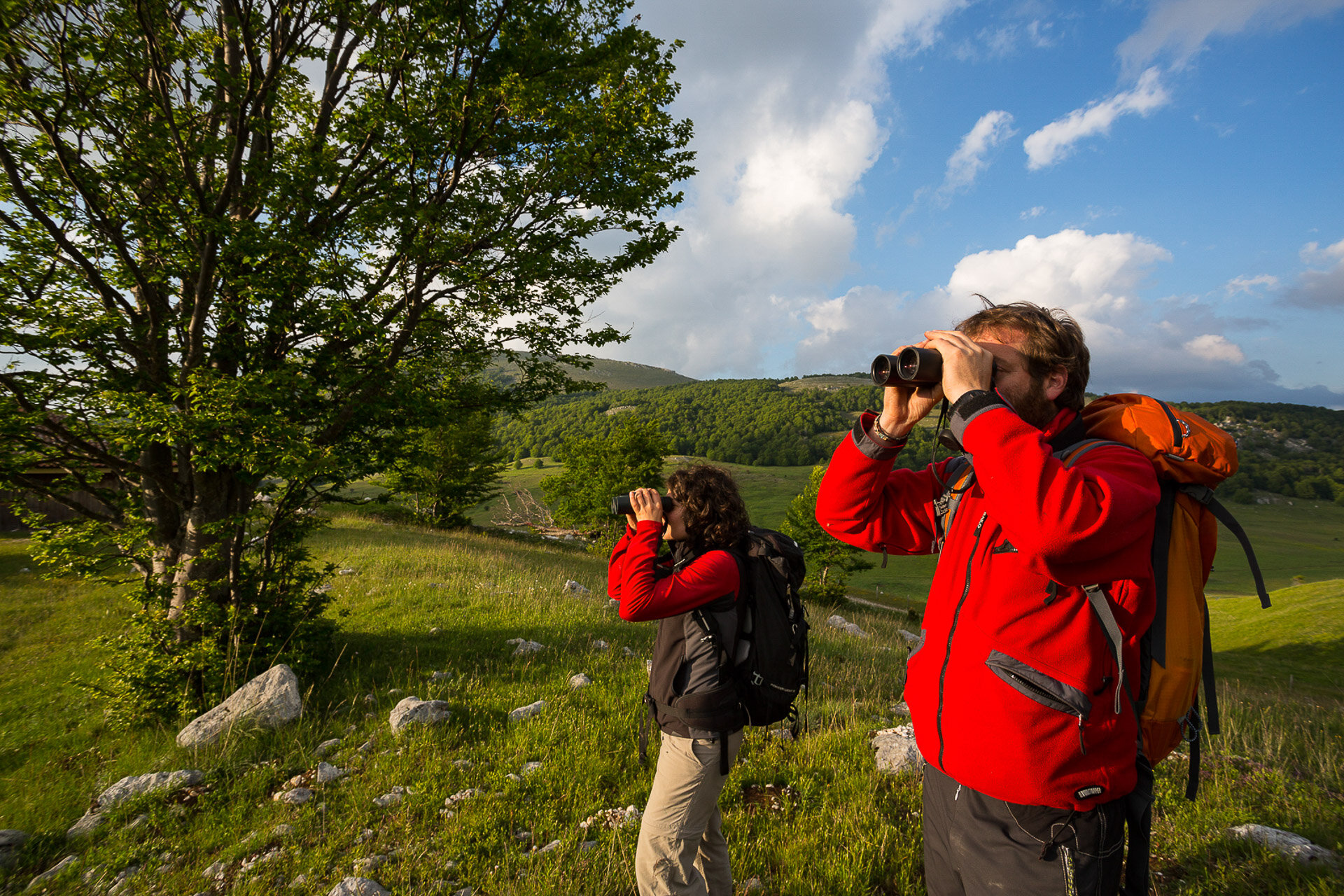
Bears are most active at dawn and at dusk. That’s why the best outings are those planned around these time windows, in places where observation is possible while minimizing disturbance.
Why go with a local guide
A local expert guide:
- chooses areas and timings based on season and conditions,
- knows trails and suitable observation spots,
- reduces the risk of “empty outings” and, above all, ensures safety and respect for wildlife.
For a daily activity see the Bearwatching in Abruzzo. For a structured multi-day experience, also check out Italy's Big Five, a trip dedicated to the iconic species of the Central Apennines.

Guided wildlife experiences
With Wildlife Adventures, we have been organizing wildlife watching experiences in Abruzzo for many years. Our guides are deeply familiar with the forests, trails and subtle signs left by Marsican brown bears. We never disturb animals and do not use calls or baiting: we move quietly and allow nature to reveal itself on its own terms.
Many of our guests say that seeing a Marsican brown bear in the wild was the most emotional experience of their journey in Abruzzo—an unforgettable encounter with one of the rarest and most extraordinary symbols of Apennine wildlife.
Scheduled trips in Central Apennines
-
 from April 20 to September 11, 2027
Bearwatching in Abruzzo
Evening guided hike with small groups to understand bear ecology, threats and conservancy status. A complete bear experience in the Central Apennines.
- Sunrise and sunset
-
 from October 14, 2026 to October 13, 2027
Italy’s big five
Together with a nature guide, we will explore the park's wilderness on foot, following the tracks of the iconic species of the Central Apennines in this biodiversity hotspot.
- Sunrise and sunset, Forest and valleys
-
 August 7, 2027
Walking among bears
An opportunity for awareness and a moment of reflection, a journey to rediscover the rhythms of nature, the measure of time, the silence. To look at life from a different perspective, just like when you look at the landscape from a mountain top.
- Hike at high altitude, Forest and valleys
-
 April 22, 2027
Time of the Bear
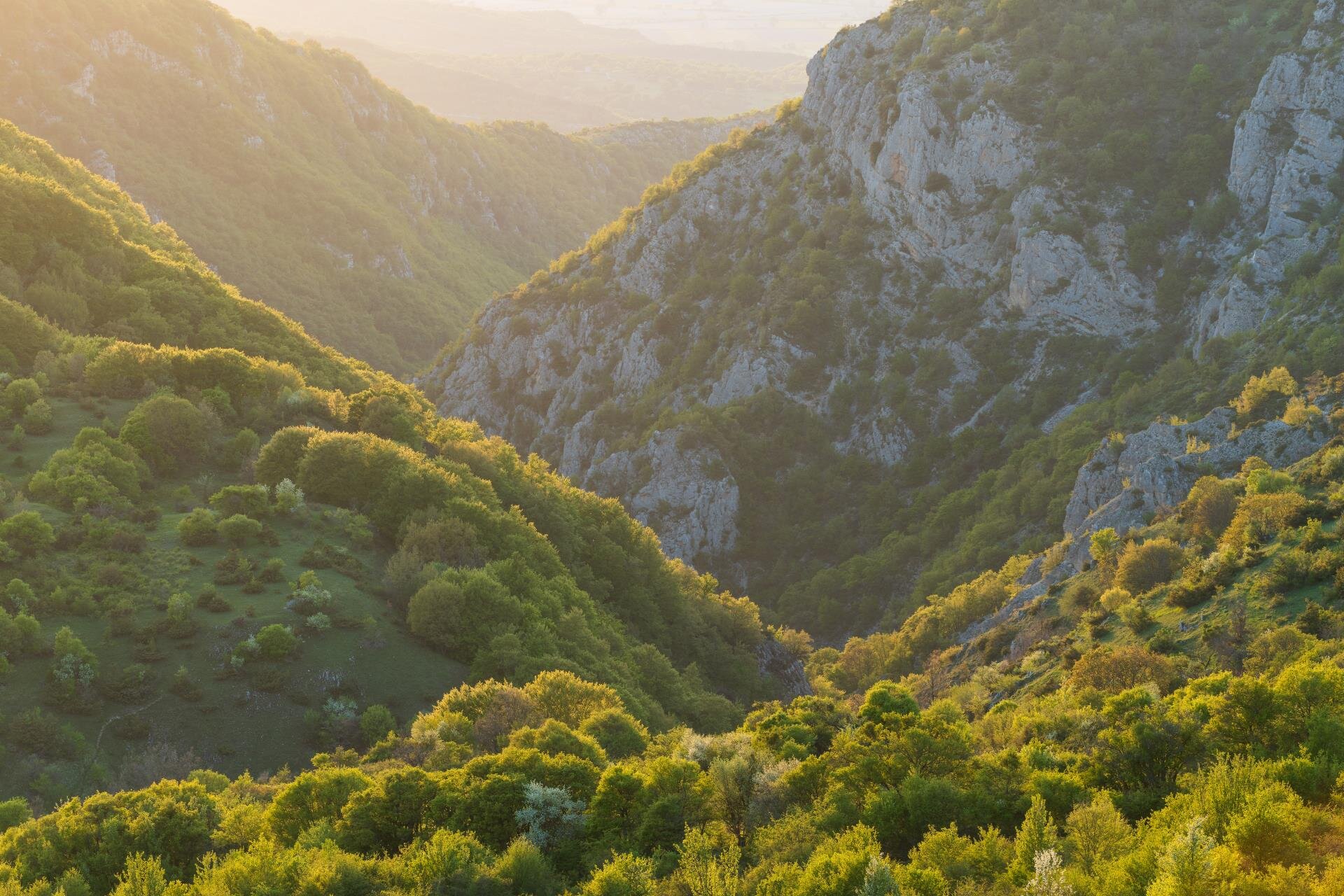
In the Abruzzo, Lazio and Molise National Park, the Marsican bear lives in deep harmony with the surrounding mountains. Over four immersive days, we will explore its world among ancient forests and lush valleys, experiencing the awakening of spring nature and the magic of a genuine encounter.
- Forest and valleys


Authors and further reading
The content of this article is adapted from the educational materials published on www.orsoeformica.it, a project created by Umberto Esposito, Elisabetta Tosoni and Bruno D’Amicis, who have long been engaged in wildlife communication and the conservation of the Marsican brown bear and Apennine ecosystems.