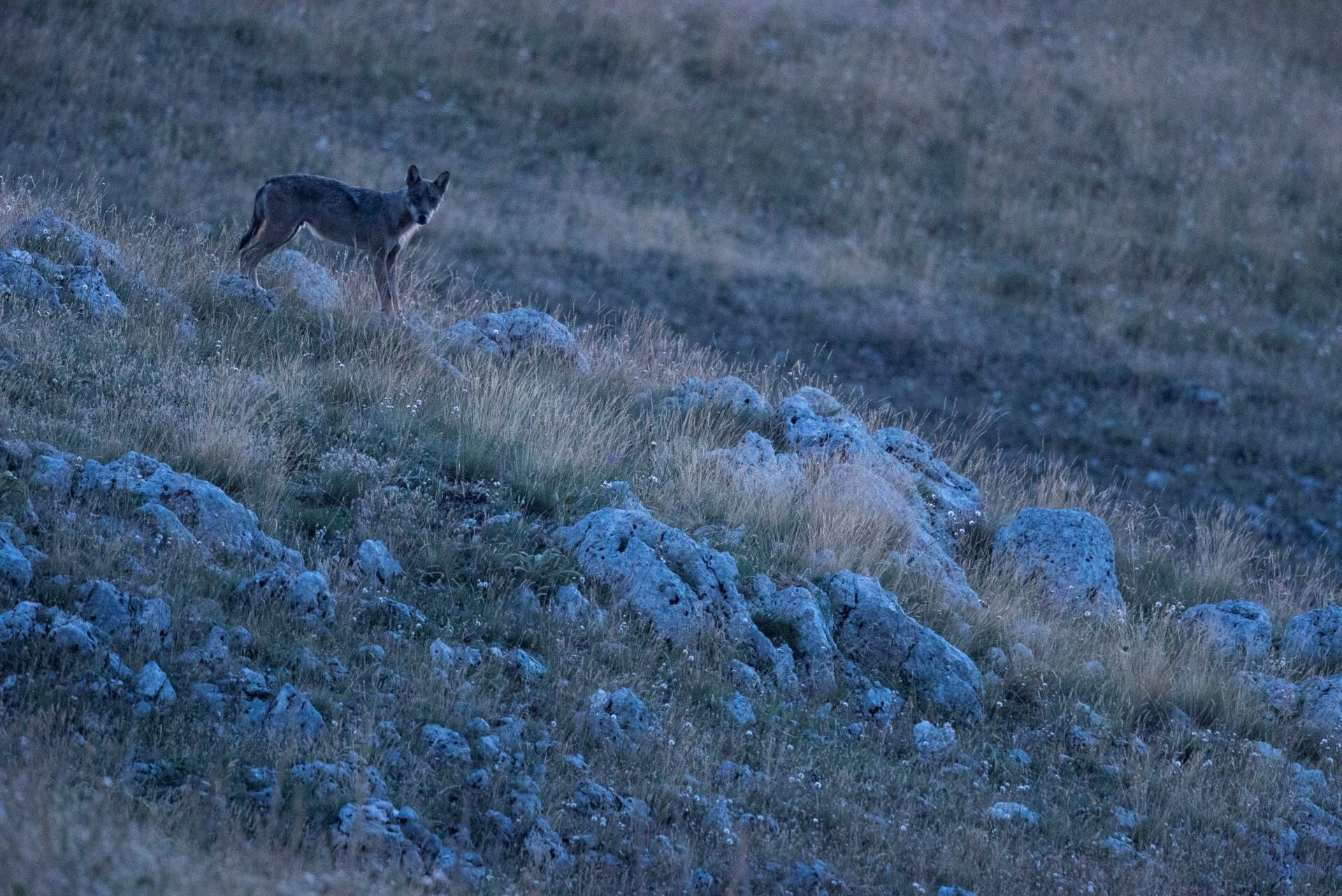
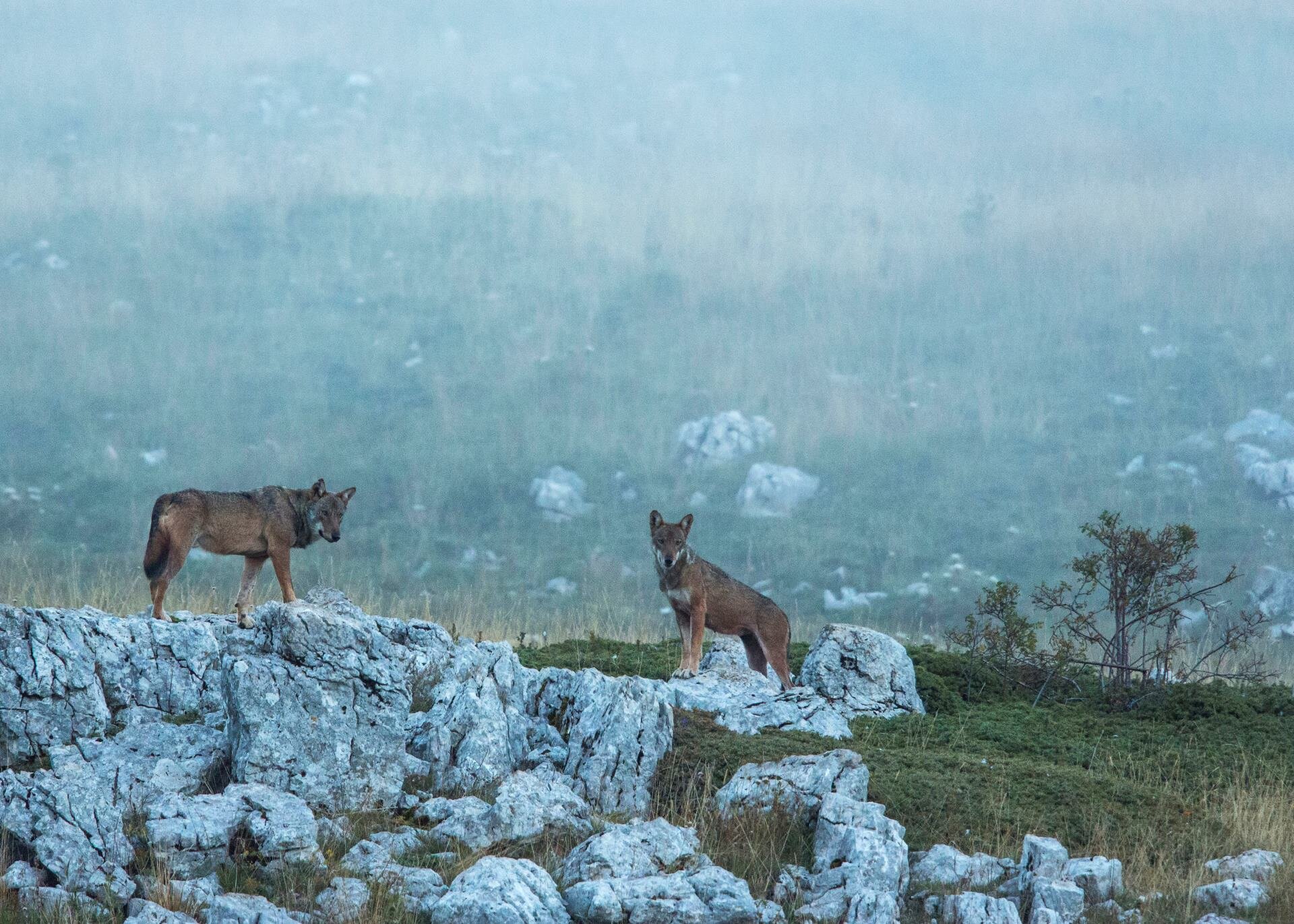
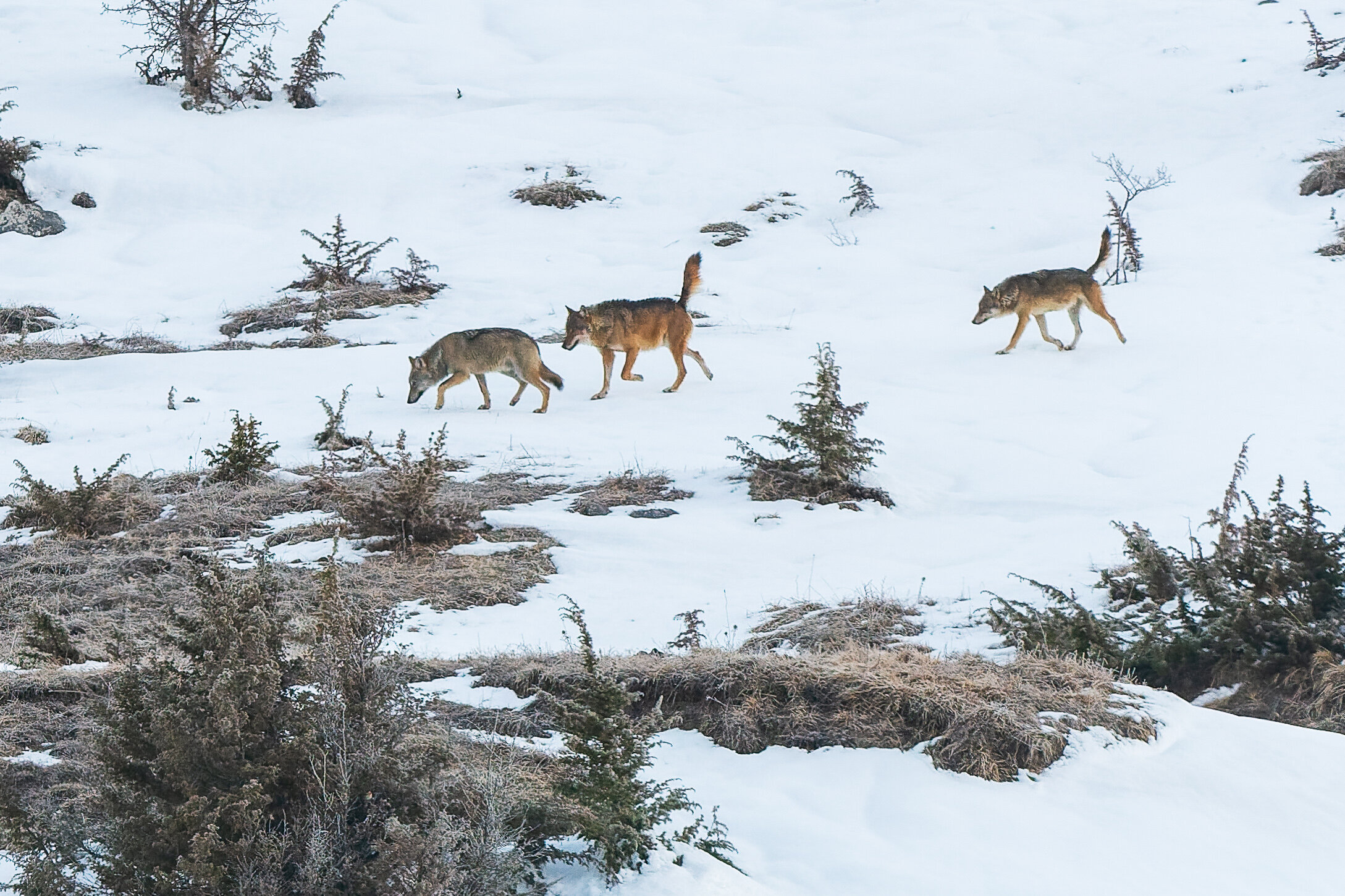
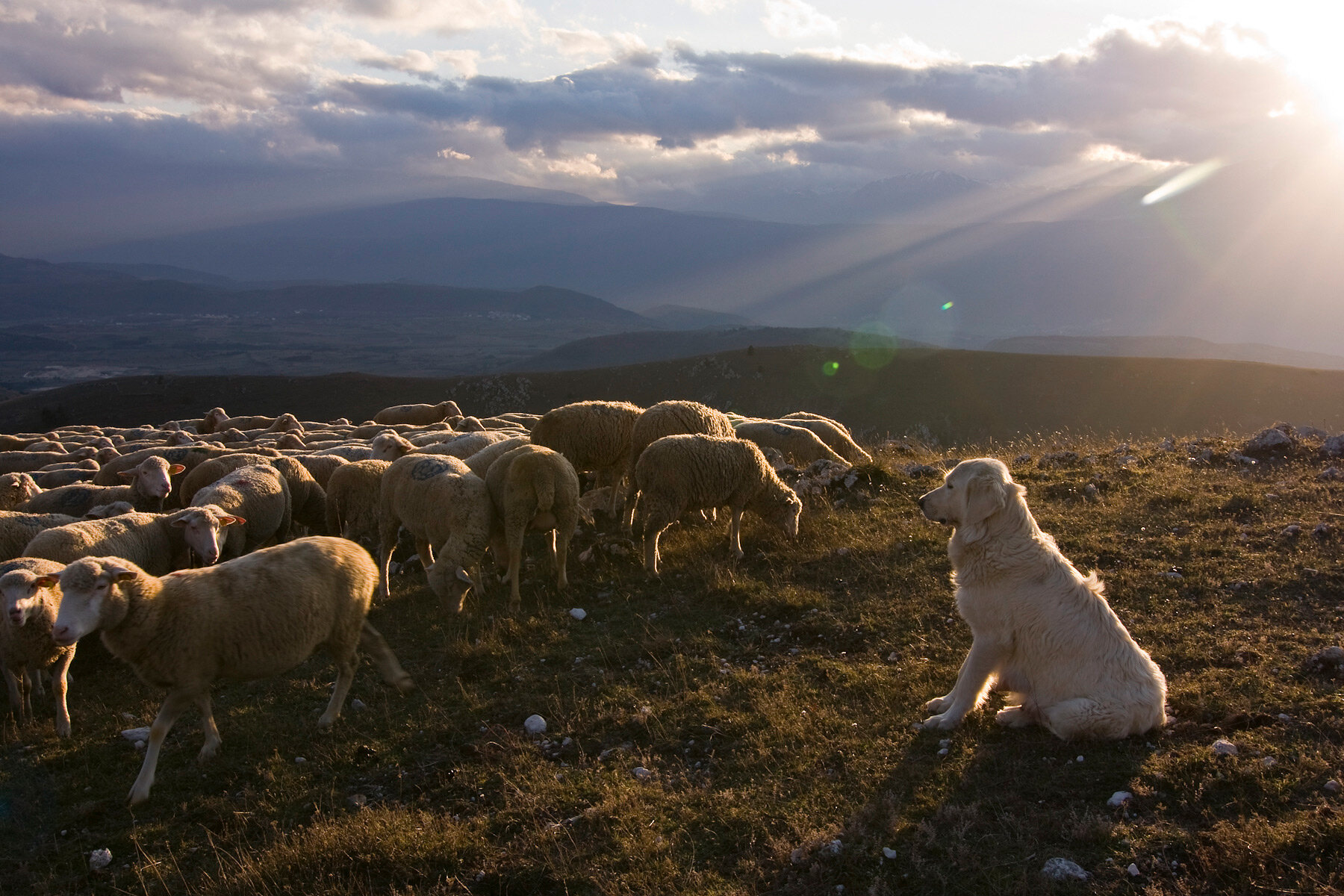
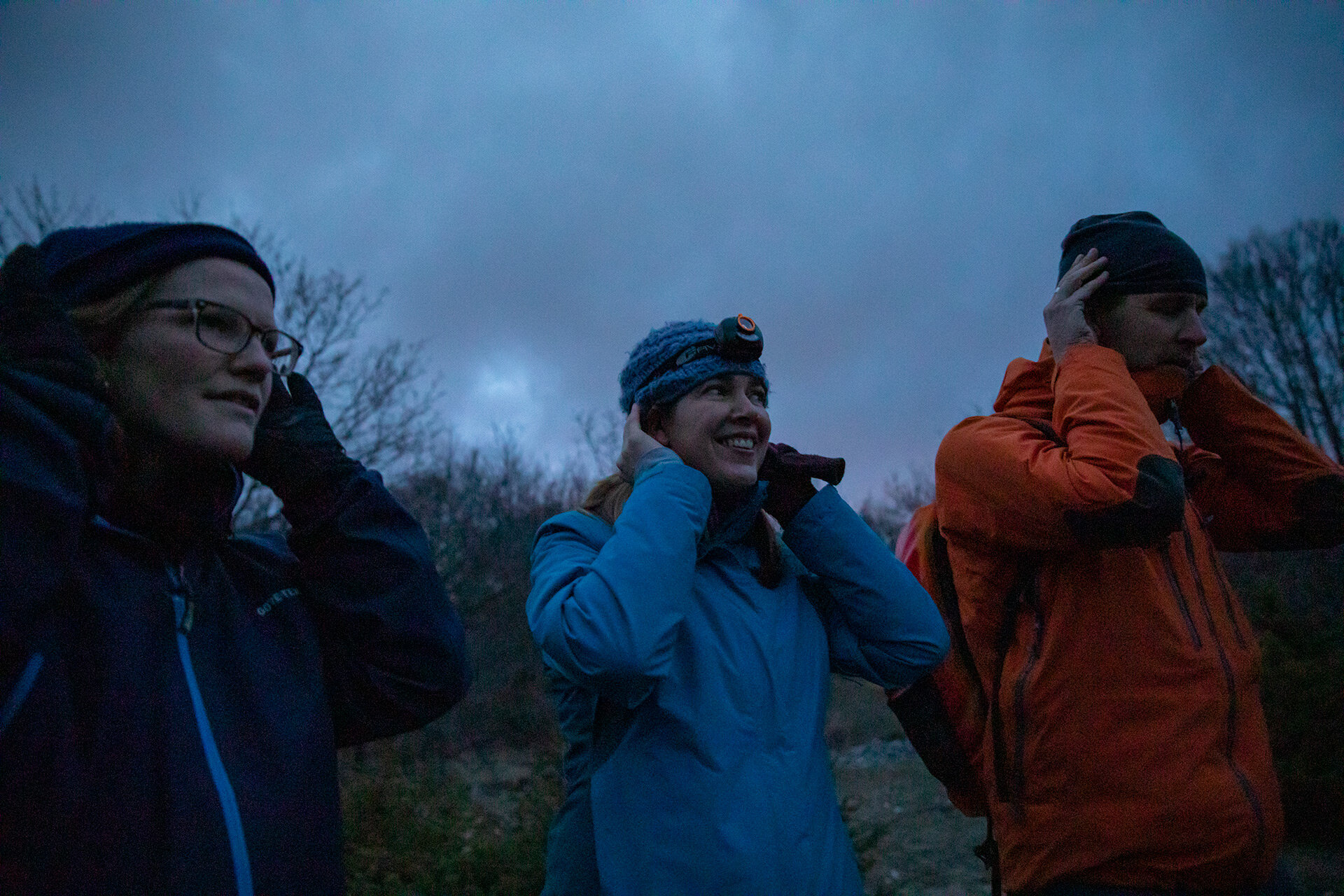
Between the 1970s and the 1990s, the first researchers attempted to census and describe the wolf population in Italy. Since then, many things have changed: for wolves themselves—at the centre of a demographic recovery that once seemed unlikely— and for those who study them, who can now rely on broader and more complete information.
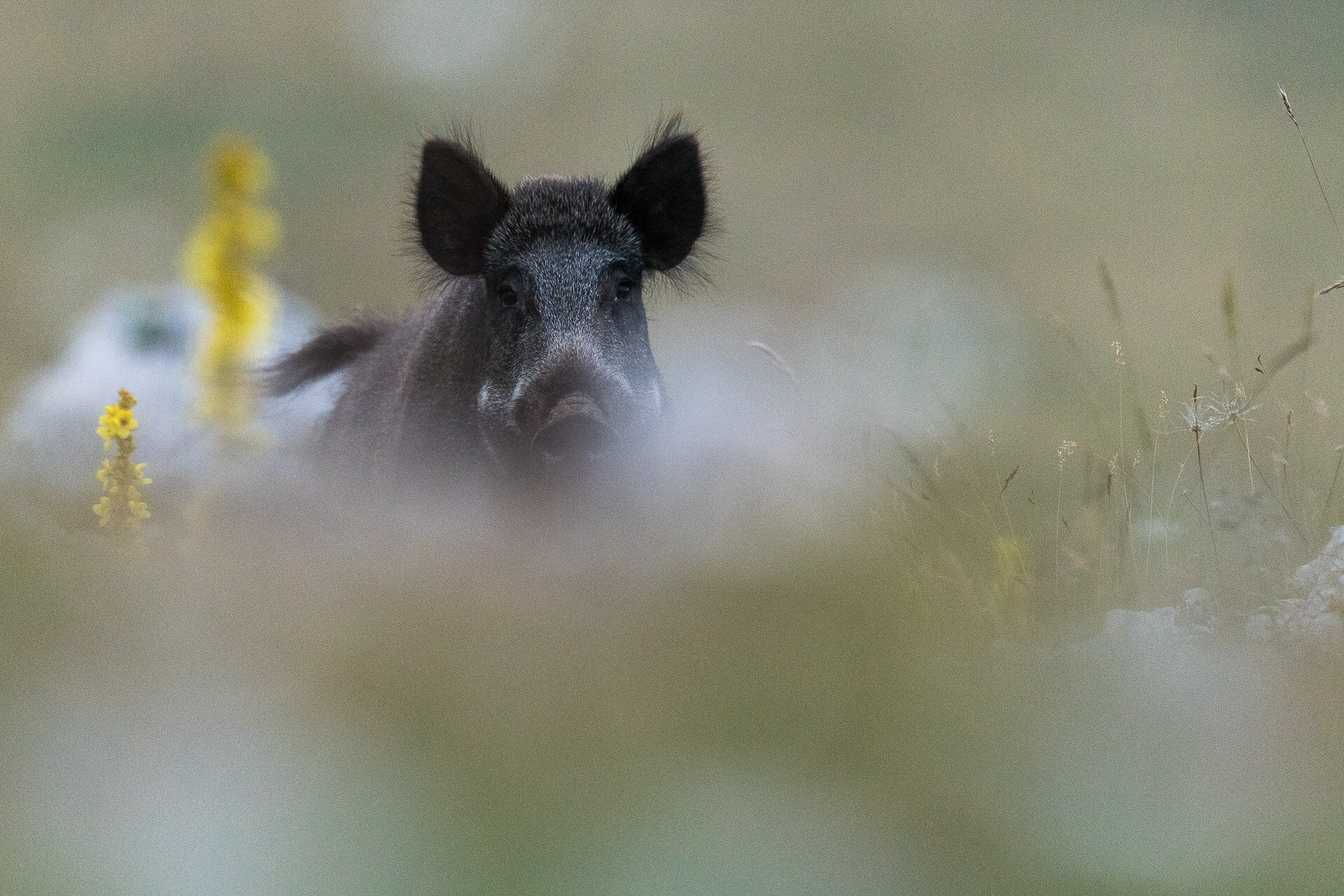
Back then, in their Apennine refuges, wolf behaviour was largely shaped by an impoverished environment, especially because wild prey was scarce. Wolves often ended up living close to human activities, taking advantage of human-related food sources. Today, the Apennine wolf shows habits and ecological abilities that closely match what is known for the species in other large ecosystems.