January 1, 2026
 Reading time: 8 Minutes

Wildlife watching is an art, an adventure, and a lesson all at once. It’s about patience, curiosity, and a deep respect for the creatures that call Abruzzo’s forests, mountains, and valleys home. Every trail hides surprises: a lone wolf crossing a misty clearing, a golden eagle soaring high above the Apennines, or a roe deer quietly grazing in a meadow. These encounters are fleeting, unpredictable, and unforgettable—but they are most rewarding when approached with care and mindfulness.
At Wildlife Adventures, we believe that true wildlife watching is not about control or expectation. It’s about observation, understanding, and presence. When you step into nature, you are the visitor. By moving quietly, respecting distance, and learning from every moment, you transform a simple walk in the wild into a memory that lasts a lifetime. In the following pages, our professional guides share ten essential secrets for ethical, meaningful, and awe-inspiring wildlife watching in Italy.
1. Location: choose the right place
The first step in any wildlife adventure is choosing the right location. To observe a particular species, you need to go where it naturally lives. Understanding a species’ geographic distribution is key—no matter how hard you try, you won’t spot lynxes in Abruzzo. If your dream is to see a lynx, consider countries where populations are established, such as Switzerland, Slovenia, or Spain. To make planning easier, we’ve created a comprehensive guide to the best places to observe wildlife across Italy. Once you’ve chosen your destination, take the time to learn about the other species that share the area. Factor in your budget, the time available, and logistics, and then head out prepared to experience nature at its most authentic.

2. Timing is everything
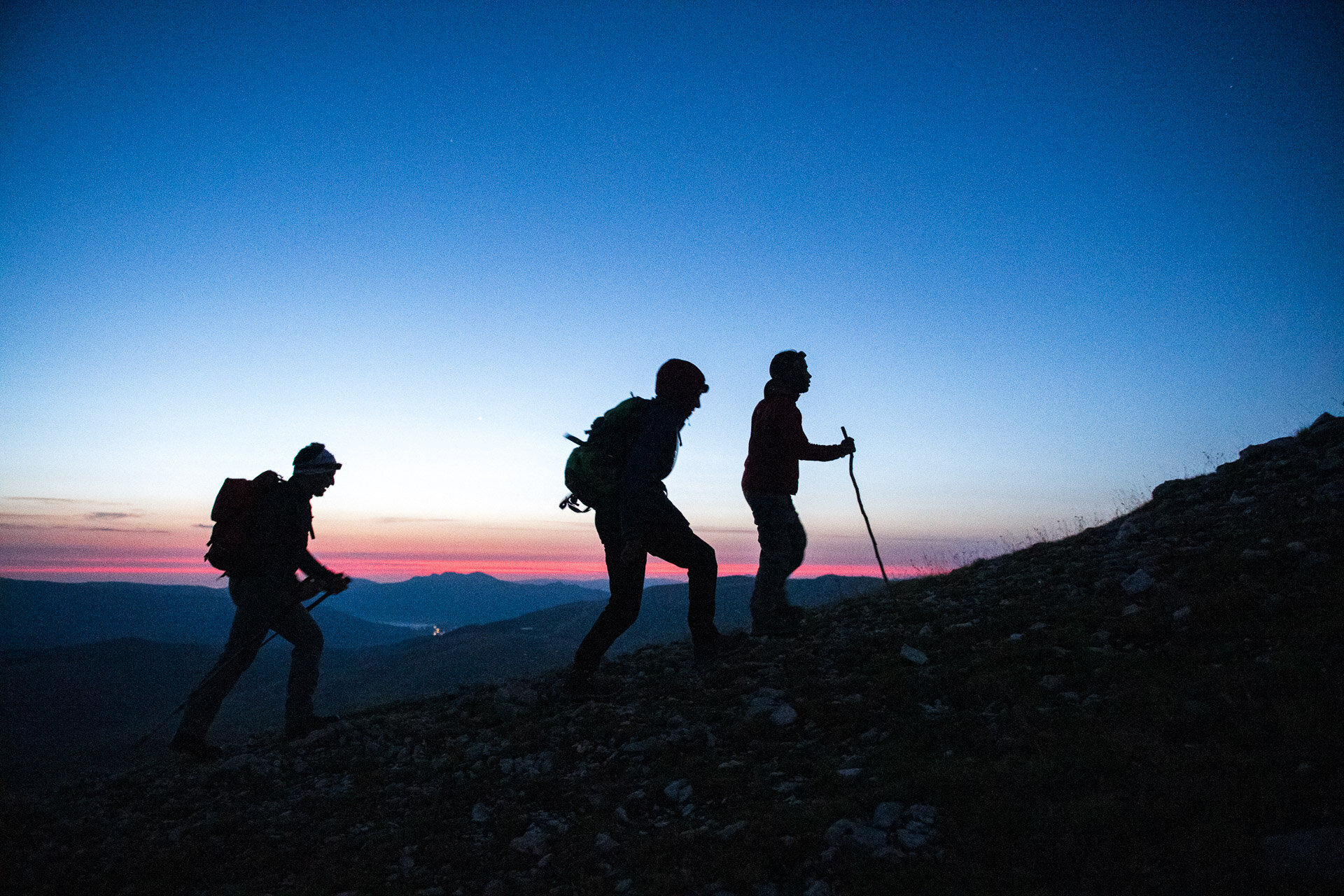
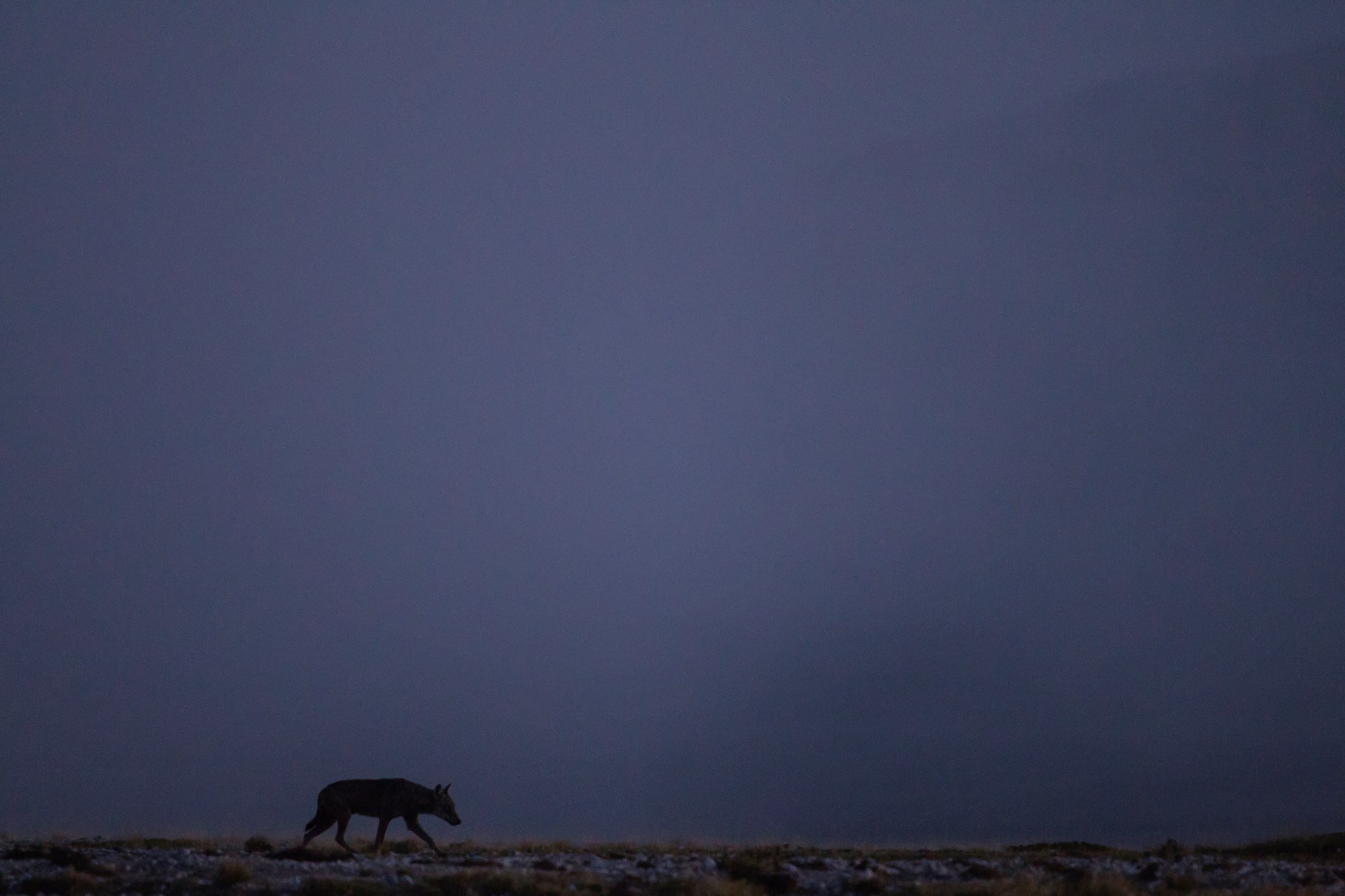
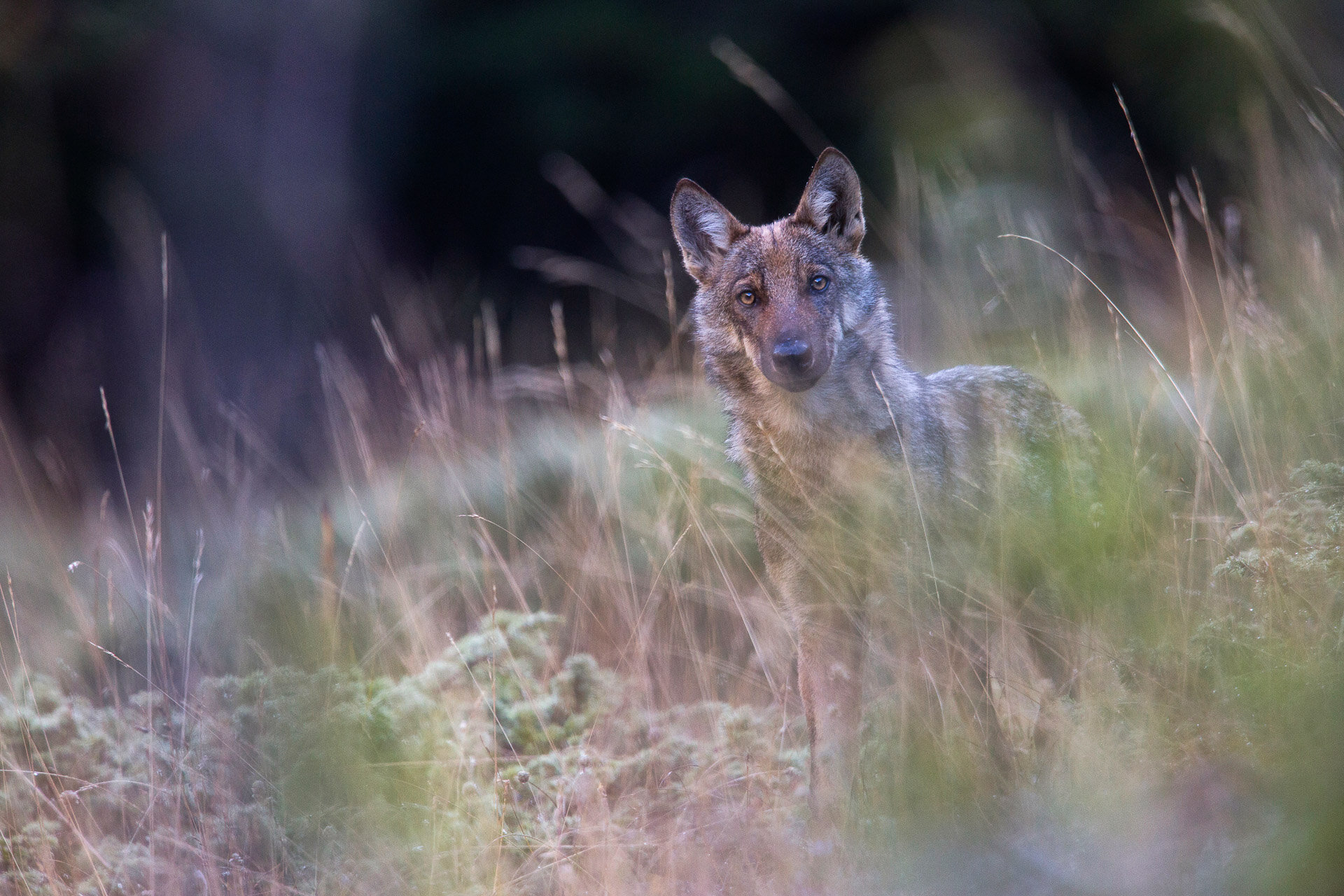
Most wildlife species change their behavior throughout the year, so timing your visit is crucial. Take the Marsican brown bear, for example. Bears hibernate during the cold winter months, so attempting to spot one in the snow is unlikely. Your best chance to see them in the wild is late spring to early summer, when they are active foraging before berries and fruits are abundant. Similarly, Apennine chamois and Italian wolves shift their activity patterns depending on the season. Chamois are often found on higher slopes in summer, but descend to lower slopes during winter. Wolves, elusive by nature, are easier to track at dawn and dusk during cooler months when they are more active in search of prey and in smaller territories. Some species are extremely elusive, requiring patience and careful planning. Rosalia alpina, the striking alpine longhorn beetle, is most active in warm months in old beech forests, while the rare white-backed woodpecker prefers mature, undisturbed forests and is best spotted during spring when it drums to communicate and breed. Understanding the seasonal behavior of the species you hope to see allows you to plan your adventure for the highest chances of success. Ultimately, wildlife watching is about being in the right place at the right time, ready to witness nature’s moments as they unfold.

3. Silence: the key to getting closer to nature
Most wild animals are extremely sensitive to sound. Sudden or unnatural noises can easily startle them and cause them to flee. Keeping your voice low, moving carefully, and paying attention to where you place your feet—avoiding dry leaves and snapping twigs—can significantly increase your chances of a sighting. Remember that animals will often hear or smell you long before you are aware of their presence. They constantly monitor their surroundings and, depending on distance and the sounds you make, decide whether to stay, move away, or defend themselves.
When waiting in observation spots, always silence electronic devices. Even the beep of a camera or the vibration of a phone can alarm wildlife. Avoid unnecessary noises such as loud zippers, rustling bags, or equipment knocking together. Whenever possible, communicate using hand signals rather than speaking. Relying on hearing is a powerful tool in wildlife watching. Learn to listen for subtle clues: the crack of a branch, a distant call, or the flutter of wings can reveal an animal hidden from view. While observing wildlife, pay attention to the sounds animals make—they provide valuable insight into their behavior and state of alertness. Silence is precious. It allows you to blend into the natural soundscape, deepen your connection with the environment, and—most importantly—respect the wild world you are visiting.

4. Patience and Comfort: learning to wait
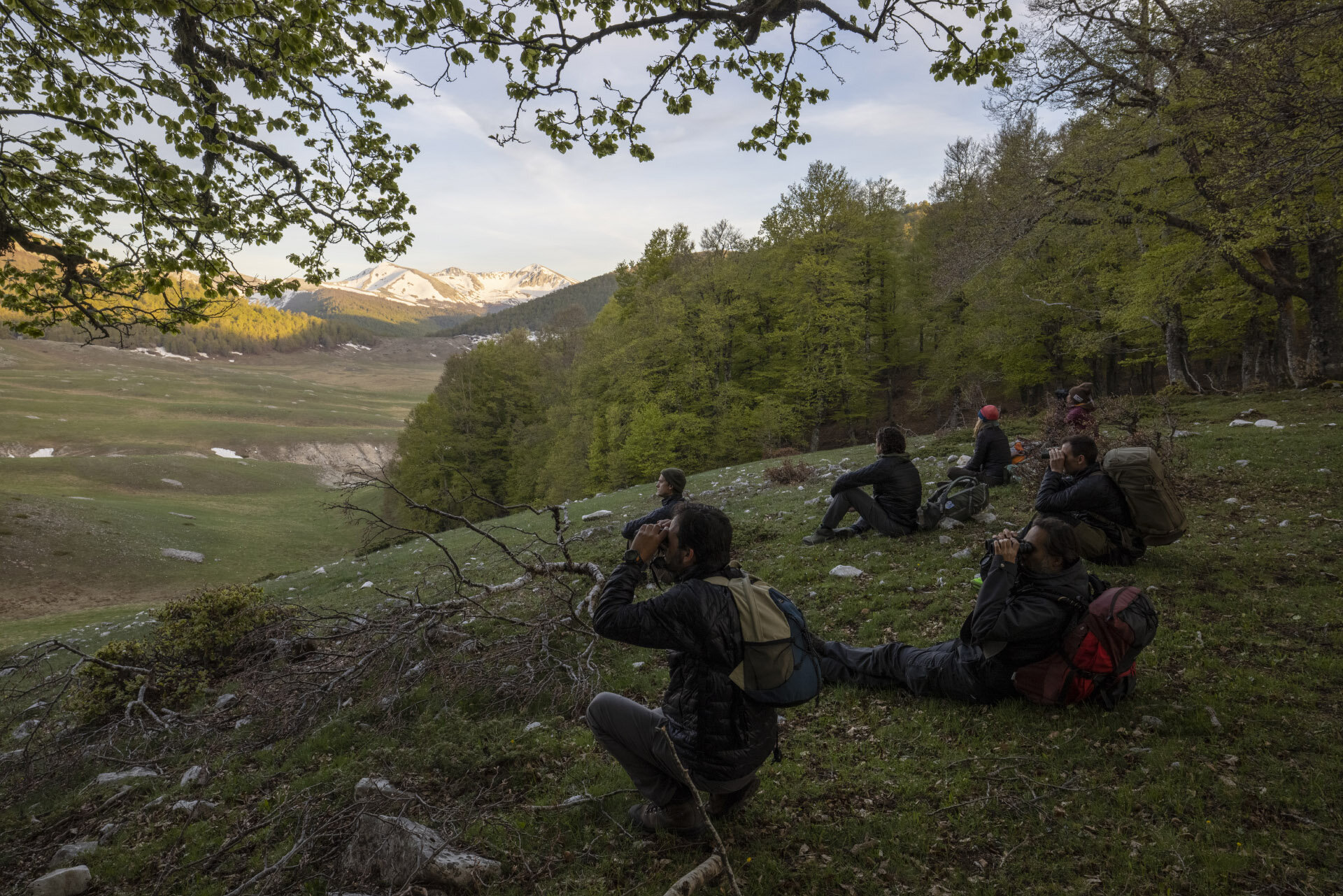
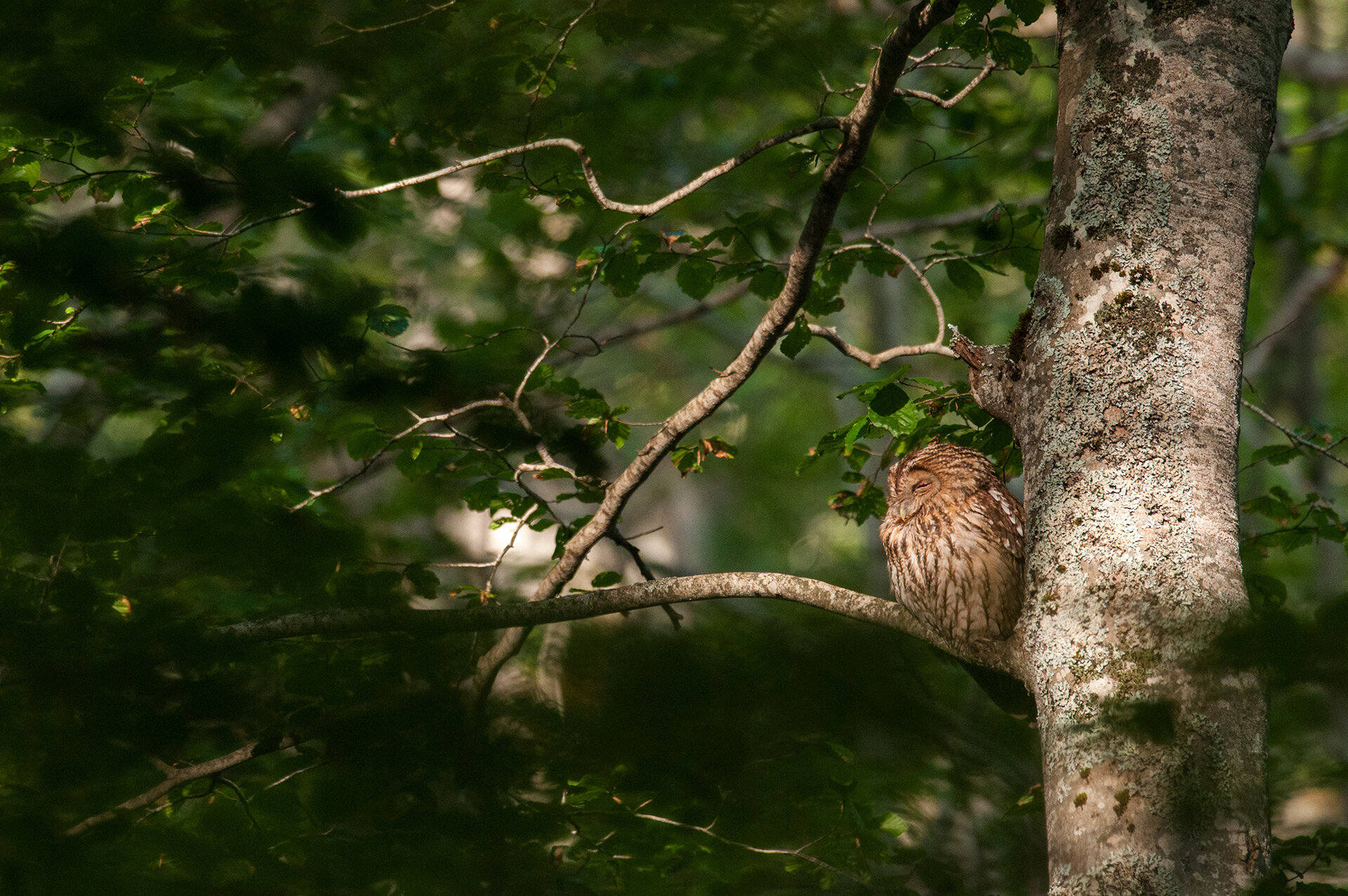
Observing wildlife often means spending long hours waiting—still and silent—especially at dawn or dusk. For many people, this waiting is part of the magic of wildlife watching, making the moment of an encounter even more special. For others, however, it can feel tiring, boring, or uncomfortable. That’s why comfort matters. Wear comfortable clothing, choose a suitable place to sit, and pay attention to everything happening around you. Use this quiet time to tune in to nature rather than fighting the stillness. Focus on common animals such as birds or insects—nature always has something to offer to those who take the time to observe. Bringing a field guide can enrich the experience: identifying what you see while your guide scans the wider area turns waiting into an opportunity to learn, observe, and stay fully engaged. If your wildlife experience takes place in the mountains, you will have one main challenge: the cold. Whether it’s winter or summer, early mornings and evenings can be surprisingly chilly. Dressing in layers is the best way to stay warm and dry. Gloves, a hat, and thermal clothing can make a real difference, turning long waiting periods into a comfortable and enjoyable part of the experience. Staying warm allows you to focus on the purpose of wildlife watching—observing, learning, and connecting with nature—rather than on how cold you feel.

5. Be (almost) invisible
The best way to observe animals behaving naturally is to blend into the environment as much as possible. Beyond sound, many species are highly sensitive to colors and especially smells. Most animals have a sense of smell far more developed than that of humans. In fact, for many species, smell and hearing are more important than eyesight. This means that avoiding being detected by scent is often even more important than avoiding being seen. Choose clothing in neutral, natural tones and avoid bright colors or reflective materials. We don’t know exactly how animals perceive colors, so it’s best not to stand out—something as simple as a white hat can make you shine like a beacon in the landscape. Opt for soft, quiet fabrics that don’t rustle when you move. Always try to move against the wind whenever possible, and avoid wearing colognes, perfumes, scented lotions. Smoking should also be avoided, as strong odors can quickly alert wildlife long before you realize they are nearby. In some situations, keeping a greater distance or using a hide is essential. Remaining unobtrusive allows animals to relax and behave naturally, giving you the most authentic and rewarding wildlife experience.

6. Learn to use binoculars
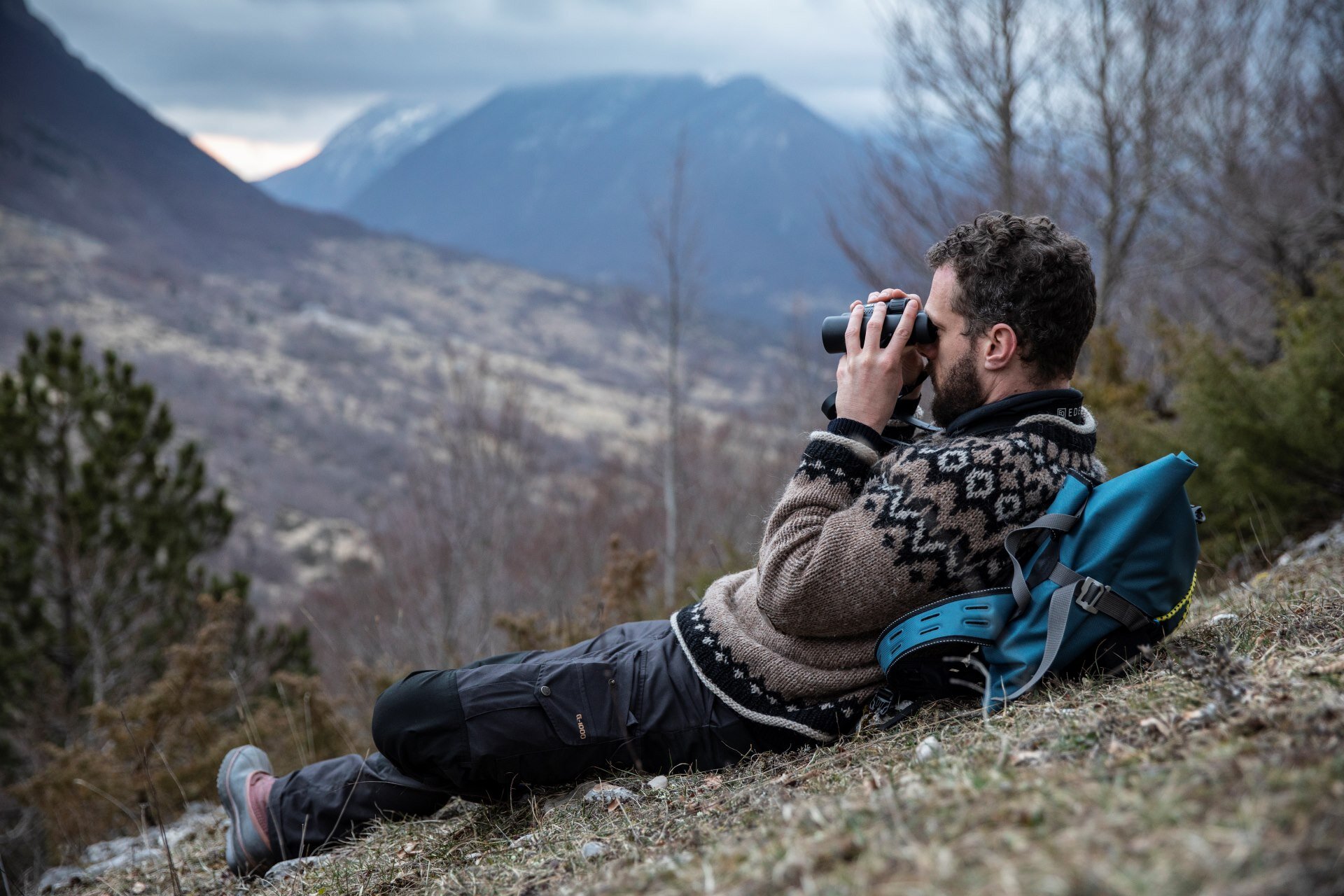
A good pair of binoculars—or a camera with a quality zoom lens—is one of the most essential tools for wildlife watching. They allow you to observe animals from a distance without disturbing them. Investing in quality optics doesn’t just mean seeing sharper images or capturing stunning photographs—it means enjoying a more fulfilling and respectful experience, getting closer to the natural world without intruding on it. Choose a model that is lightweight, durable, and reliable. A good pair of binoculars will be your companion on wildlife adventures for years to come, helping you witness nature in all its detail and beauty.

7. Manage your expectations
Even if you are in the perfect place at the right time, there’s no guarantee you will see the exact animal you hope to encounter. Wild animals’ movements depend on countless factors, and sightings can never be guaranteed. An experienced guide can significantly increase your chances of success, but be wary of anyone promising “sure encounters”—nature is not a theme park. The good news is that sounds, scents, untouched landscapes, and an incredible sense of freedom are always part of the experience. Enjoy every aspect of the excursion, rather than focusing solely on sightings. It is precisely the unpredictability of the natural world that makes wildlife watching so fascinating and rewarding.
8. No Petting
Respect wildlife from a distance keeping your distance from wild animals is the most authentic way to show them respect. Images of tourists trying to touch or even pet wildlife have become all too common in many parts of the world. This is a serious mistake, first and foremost for your own safety—an animal that feels threatened can react aggressively. Every disturbance also forces animals to expend precious energy. From fleeing, altering rest or feeding patterns, to abandoning optimal sites, these responses can weaken them over time. Even if an animal does not run away or appears indifferent to your presence, it may still experience stress in less obvious ways, such as elevated cortisol levels (the so-called “stress hormone”). Maintaining a respectful distance is a gesture of responsibility and care—for both the wildlife you are observing and for yourself.
Never feed wildlife! Some so-called ecotour operators promise “guaranteed sightings” by using food as bait. Avoid them: this practice is high-risk for both animals and humans. Feeding wild animals makes them dependent on people, draws them away from natural food sources, and can push them dangerously close to human settlements, creating conflicts that almost always end poorly for the animals. Certain foods can also be toxic to wildlife, and uncontrolled feeding can spread diseases among animal populations. Whether done out of misguided altruism or simply to get a close-up photograph, feeding wildlife goes against the principles of responsible wildlife watching. It undermines the true essence of observing animals in a respectful and natural way.
9. Rely on a Local Guide
There are at least three good reasons to choose a local guide over a “do-it-yourself” approach.
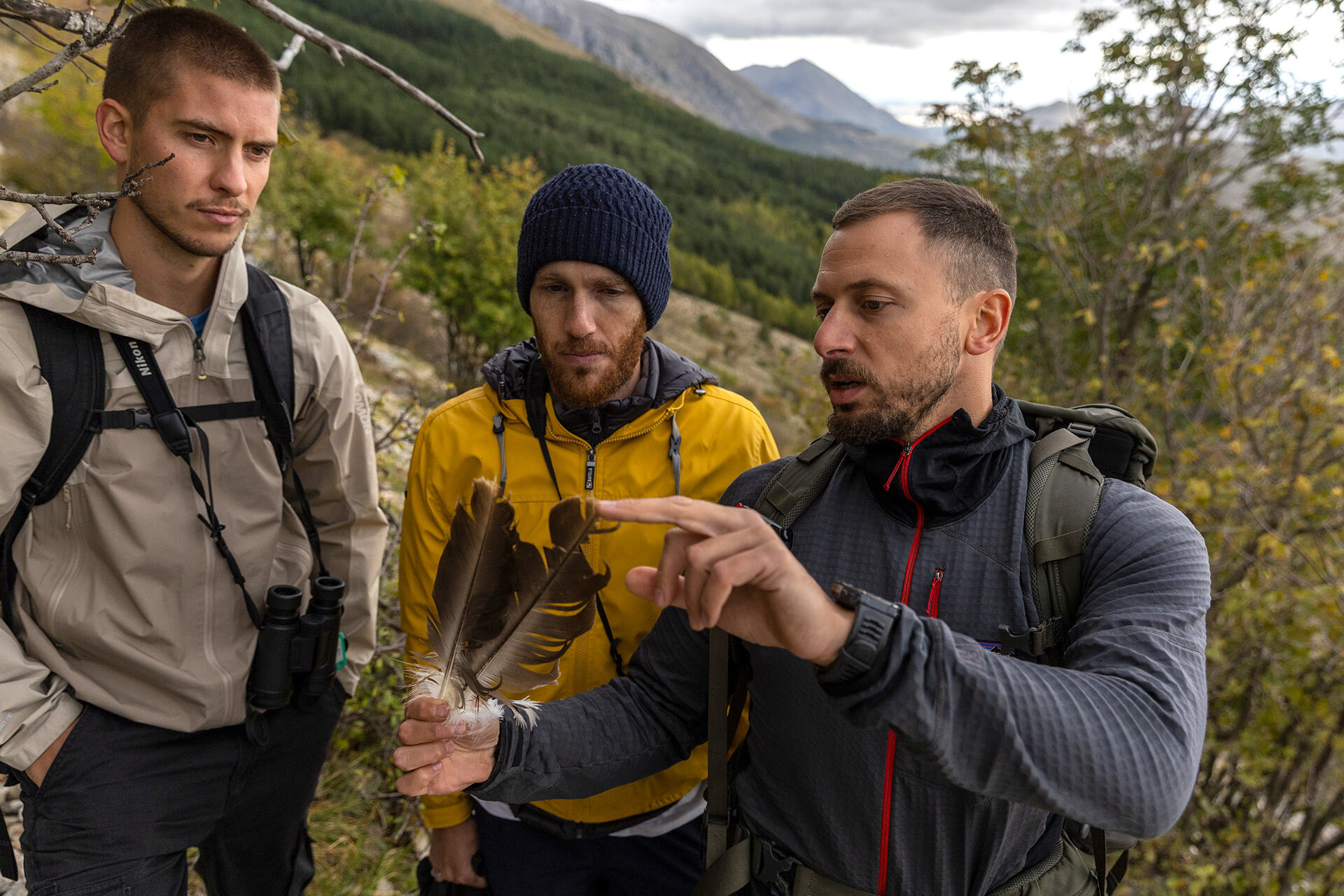
First, no one knows the habits, habitats, and seasonal patterns of the local wildlife better than a guide from the area. They can recognize tracks, understand animal behavior, and show you how to move quietly and respectfully without disturbing the animals.
Second, hiring a local guide supports a sustainable local economy, an essential element for anyone who wants to travel responsibly.
Third, reputable guides often provide access to high-quality optical equipment and offer tailored advice to help you prepare for the experience and get the most out of it.
Choose operators who demonstrate a clear ethical approach: respecting sensitive areas and seasons, following protected-area regulations, and collaborating with local conservation projects. These are all non-negotiable elements of authentic, responsible ecotourism.

10. Leave a meaningful footprint
Over the past twenty years, wildlife tourism has grown tremendously. While this trend can support a nature-based conservation economy, it can also put excessive pressure on fragile ecosystems. Remember that the tourism market responds to the choices of its customers: every individual decision sends a message that can influence the policies and practices of wildlife tourism operators. The more we demand responsible observation, the more the industry will shift toward ethical, sustainable approaches. This is why it is essential to choose carefully how, where, and with whom you organize your wildlife-watching experiences. Your choices have the power to protect both the animals and their habitats, while encouraging a more responsible and conservation-focused tourism sector.

Guided Wildlife Tours in Central Apennines - Italy
Do you want to experience the wonders of Abruzzo’s wildlife safely, while discovering the secrets of its parks with experts who truly know the land? Wildlife Adventures is recognized across Europe as a leading reference for ethical wildlife observation, offering unforgettable experiences in nature. Join our guided tours in Central Apennines, led by professional naturalists and guides registered with the Collegio Guide Alpine Regione Abruzzo and certified as International Mountain Leaders. Learn how to track wild animals, uncover fascinating stories and curiosities about the forests, and enjoy flexible itineraries tailored to your interests. Choose from day trips, multi-day tours, or night excursions, all designed to immerse you safely and respectfully in Abruzzo’s remarkable landscapes. Here are some options from our calendar:
-
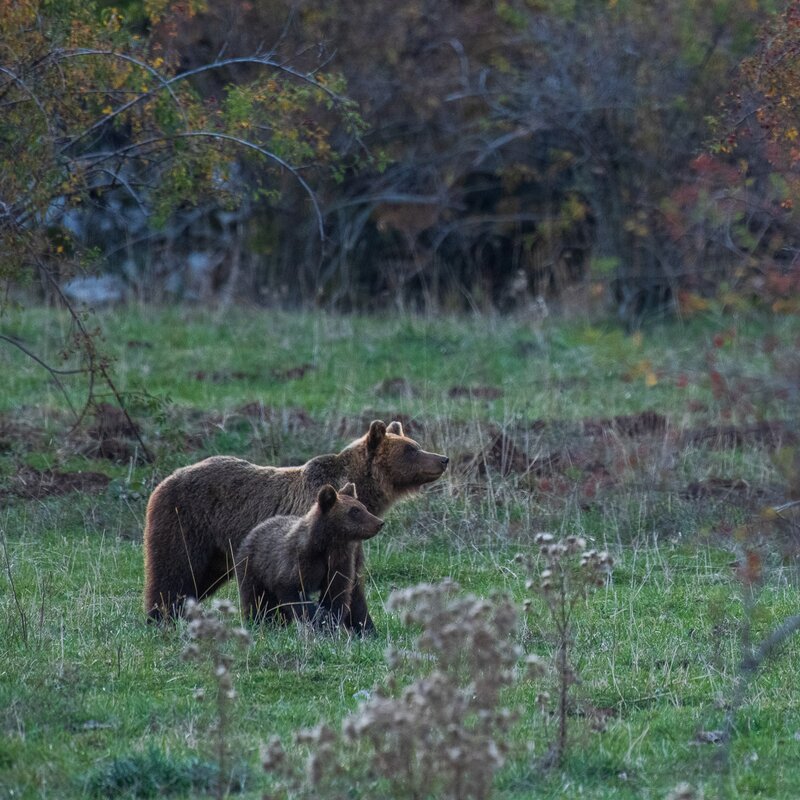 from October 14, 2026 to October 13, 2027
Italy’s big five
Together with a nature guide, we will explore the park's wilderness on foot, following the tracks of the iconic species of the Central Apennines in this biodiversity hotspot.
- Sunrise and sunset, Forest and valleys
-
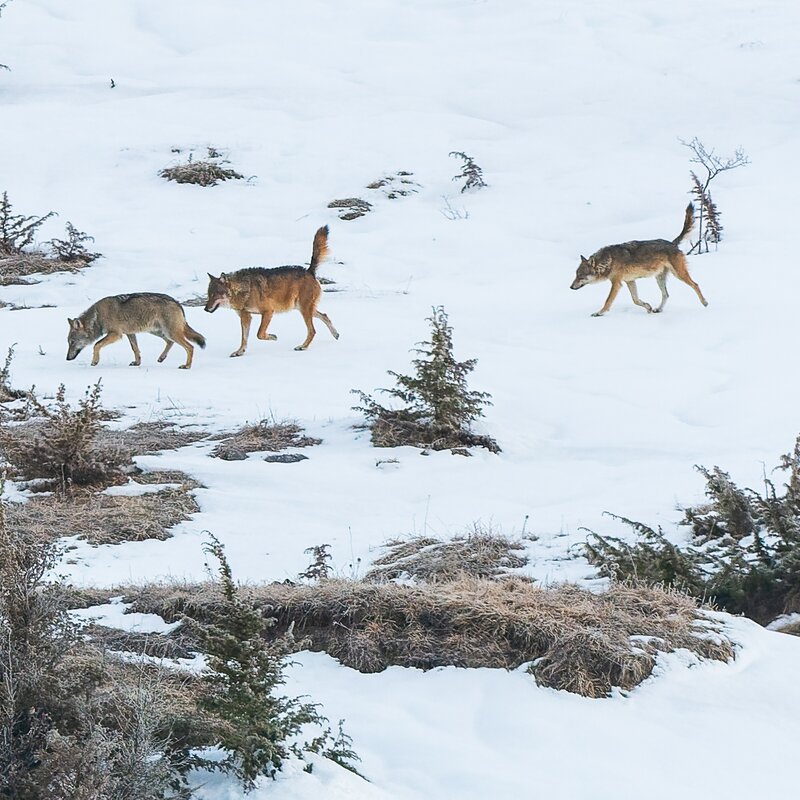 from November 19, 2026 to March 11, 2027
Winter Wolf Tracking in Abruzzo
A focused exploration into the Apennine wolf, conducted in the winter environment of Abruzzo. This experience combines guided hikes with special sessions where you can learn to spot wolf signs and understand their ecological importance in the Italian region.
-
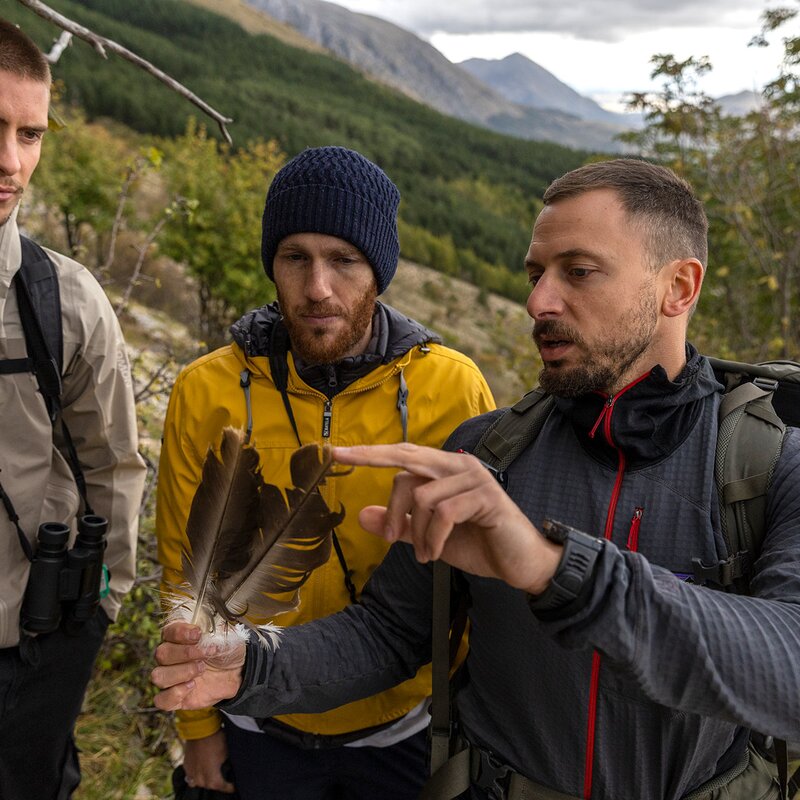 from October 14, 2026 to October 13, 2027
Rewilding Weeks in Central Apennines
Thank to this special program, we want to increase people’s awareness towards rewilding principles, enhance the rewilding movement both in Italy and abroad by offering personal growth opportunities and “learning by doing”, and to support conservation actions in Central Apennines through the Bear Fund.
- Rewilding Experiences